Product Description
MS Series Aluminum Housing Three Phase Induction Motor adopts the latest design and high quality material and are conform to the IEC standard in function, appearance, output and other requirements.
The efficiency of MS motor meets EFF2 standard in E. U., and can reach the EFF1 standard if requested. MS motor has a lot of advantages including high efficiency, energy saving, low noise, little vibration, light weight, small volume, reliable operation, up-to-date appearance, convenient operation and maintenance.
MS motor is died cast into mounding shape by aluminum-alloy. The base foot can be removable. Various mounting types are available for MS motor.
MS motor is suitable for common working environment and machinery without special requirement, like air-compressor, pump, fan, medical apparatus and instruments, small machines etc.
Outlined Description :
| Power: | 0.55kw-15kw | Voltage: | 380/415/440V( can can done as your need) |
| Frequency: | 50/60hz | Enamelled Wire: | Copper Wire (Can Done Aluminum wire as Your Need) |
| Insulation Class: | F | Mounting Way: | B3 Foot /B5 Flange /B35 Foot and Flange/ B14 flange/B34 foot and flange |
| Protection Grade: | IP55 | motor body : | aluminum of ac motor |
PERFORMANCE DATAS:
| MODEL | POWER (kW) |
Current (A) |
SPEED r/min |
Eff % |
Power factor |
Locked rotor torque Rated torque |
Locked rotor current |
Breakdown torque |
| Synchronous speed 3000r/min | ||||||||
| MS63M1-2 | 0.18 | 0.53 | 2720 | 65.0 | 0.80 | 2.2 | 5.5 | 2.2 |
| MS63M2-2 | 0.25 | 0.69 | 2720 | 68.0 | 0.81 | 2.2 | 5.5 | 2.2 |
| MS71M1-2 | 0.37 | 0.99 | 2740 | 70.0 | 0.81 | 2.2 | 6.1 | 2.2 |
| MS71M2-2 | 0.55 | 1.4 | 2740 | 73.0 | 0.82 | 2.2 | 6.1 | 2.3 |
| MS80M1-2 | 0.75 | 1.8 | 2840 | 75.0 | 0.83 | 2.2 | 6.1 | 2.3 |
| MS80M2-2 | 1.1 | 2.6 | 2840 | 77.0 | 0.84 | 2.2 | 7.0 | 2.3 |
| MS90S-2 | 1.5 | 3.4 | 2845 | 79.0 | 0.84 | 2.2 | 7.0 | 2.3 |
| MS90L-2 | 2.2 | 4.9 | 2845 | 81.0 | 0.85 | 2.2 | 7.0 | 2.3 |
| MS100L-2 | 3 | 6.3 | 2860 | 83.0 | 0.87 | 2.2 | 7.5 | 2.3 |
| MS112M-2 | 4 | 8.1 | 2880 | 85.0 | 0.88 | 2.2 | 7.5 | 2.3 |
| MS132S1-2 | 5.5 | 11.0 | 2900 | 86.0 | 0.88 | 2.2 | 7.5 | 2.3 |
| MS132S2-2 | 7.5 | 14.9 | 2900 | 87.0 | 0.88 | 2.2 | 7.5 | 2.3 |
| MS160M1-2 | 11 | 21.3 | 2930 | 88.0 | 0.89 | 2.2 | 7.5 | 2.3 |
| MS160M2-2 | 15 | 28.8 | 2930 | 89.0 | 0.89 | 2.2 | 7.5 | 2.3 |
| MS160L-2 | 18.5 | 34.7 | 2930 | 90.0 | 0.90 | 2.2 | 7.5 | 2.3 |
| Synchronous speed 1500r/min | ||||||||
| MS63M1-4 | 0.12 | 0.44 | 1310 | 57.0 | 0.72 | 2.1 | 4.4 | 2.2 |
| MS63M2-4 | 0.18 | 0.62 | 1310 | 60.0 | 0.73 | 2.1 | 4.4 | 2.2 |
| MS71M1-2 | 0.25 | 0.79 | 1330 | 65.0 | 0.74 | 2.1 | 5.2 | 2.2 |
| MS71M2-4 | 0.37 | 1.12 | 1330 | 67.0 | 0.75 | 2.1 | 5.2 | 2.2 |
| MS80M1-4 | 0.55 | 1.6 | 1390 | 71.0 | 0.75 | 2.4 | 5.2 | 2.3 |
| MS80M2-4 | 0.75 | 2.0 | 1390 | 73.0 | 0.76 | 2.3 | 6.0 | 2.3 |
| MS90S-4 | 1.1 | 2.9 | 1390 | 75.0 | 0.77 | 2.3 | 6.0 | 2.3 |
| MS90L-4 | 1.5 | 3.7 | 1390 | 78.0 | 0.79 | 2.3 | 6.0 | 2.3 |
| MS100L1-4 | 2.2 | 5.2 | 1410 | 80.0 | 0.81 | 2.3 | 7.0 | 2.3 |
| MS100L2-4 | 3 | 6.8 | 1410 | 82.0 | 0.82 | 2.3 | 7.0 | 2.3 |
| MS112M-4 | 4 | 8.8 | 1440 | 84.0 | 0.82 | 2.3 | 7.0 | 2.3 |
| MS132S-4 | 5.5 | 11.8 | 1440 | 85.0 | 0.83 | 2.3 | 7.0 | 2.3 |
| MS132M-4 | 7.5 | 15.6 | 1440 | 87.0 | 0.84 | 2.3 | 7.0 | 2.3 |
| MS160M-4 | 11 | 22.3 | 1460 | 88.0 | 0.84 | 2.2 | 7.0 | 2.3 |
| MS160L-4 | 15 | 30.1 | 1460 | 89.0 | 0.85 | 2.2 | 7.5 | 2.3 |
| Synchronous speed 1000r/min | ||||||||
| MS71M1-6 | 0.18 | 0.74 | 850 | 56.0 | 0.66 | 1.9 | 4.0 | 2.0 |
| MS71M2-6 | 0.25 | 0.95 | 850 | 59.0 | 0.68 | 1.9 | 4.0 | 2.0 |
| MS80M1-6 | 0.37 | 1.3 | 885 | 62.0 | 0.70 | 1.9 | 4.7 | 2.0 |
| MS80M2-6 | 0.55 | 1.8 | 885 | 65.0 | 0.72 | 1.9 | 4.7 | 2.1 |
| MS90S-6 | 0.75 | 2.3 | 910 | 69.0 | 0.72 | 2.0 | 5.5 | 2.1 |
| MS90L-6 | 1.1 | 3.2 | 910 | 72.0 | 0.73 | 2.0 | 5.5 | 2.1 |
| MS100L-6 | 1.5 | 3.9 | 920 | 76.0 | 0.75 | 2.0 | 5.5 | 2.1 |
| MS112M-6 | 2.2 | 5.6 | 935 | 79.0 | 0.76 | 2.0 | 6.5 | 2.1 |
| MS132S-6 | 3 | 7.4 | 960 | 81.0 | 0.76 | 2.1 | 6.5 | 2.1 |
| MS132M1-6 | 4 | 9.8 | 960 | 82.0 | 0.76 | 2.1 | 6.5 | 2.1 |
| MS132M2-6 | 5.5 | 12.9 | 965 | 84.0 | 0.77 | 2.1 | 6.5 | 2.1 |
| MS160M-6 | 7.5 | 17.2 | 970 | 86.0 | 0.77 | 2.0 | 6.5 | 2.1 |
| MS160L-6 | 11 | 24.2 | 970 | 87.5 | 0.78 | 2.0 | 6.5 | 2.1 |
| Synchronous speed 750r/min | ||||||||
| MS80M1-8 | 0.18 | 0.88 | 645 | 51.0 | 0.61 | 1.8 | 3.3 | 1.9 |
| MS80M2-8 | 0.25 | 1.15 | 645 | 54.0 | 0.61 | 1.8 | 3.3 | 1.9 |
| MS90S-8 | 0.37 | 1.49 | 670 | 62.0 | 0.61 | 1.8 | 4.0 | 1.9 |
| MS90L-8 | 0.55 | 2.17 | 670 | 63.0 | 0.61 | 1.8 | 4.0 | 2.0 |
| MS100L1-8 | 0.75 | 2.4 | 680 | 71.0 | 0.67 | 1.8 | 4.0 | 2.0 |
| MS100L2-8 | 1.1 | 3.4 | 680 | 73.0 | 0.69 | 1.8 | 5.0 | 2.0 |
| MS112M-8 | 1.5 | 4.4 | 690 | 75.0 | 0.69 | 1.8 | 5.0 | 2.0 |
| MS132S-8 | 2.2 | 6 | 705 | 78.0 | 0.71 | 1.8 | 6.0 | 2.0 |
| MS132M-8 | 3 | 7.9 | 705 | 79.0 | 0.73 | 1.8 | 6.0 | 2.0 |
| MS160M1-8 | 4 | 10.3 | 720 | 81.0 | 0.73 | 1.9 | 6.0 | 2.0 |
| MS160M2-8 | 5.5 | 13.6 | 720 | 83.0 | 0.74 | 2.0 | 6.0 | 2.0 |
| MS160L-8 | 7.5 | 17.8 | 720 | 85.5 | 0.75 | 2.0 | 6.0 | 2.0 |
| Frame | The number of poles | Installation dimensions | Dimensions | ||||||||||||||||||||
| A | B | C | D | E | F | G | H | M | N | P | R | S | T | K | Flange Number of holes |
AB | AC | AD | HD | HF | L | ||
| 63M | 2.4 | 110 | 80 | 40 | 11 | 23 | 4 | 8.5 | 63 | 75 | 60 | 90 | 0 | M5 | 2.5 | 7 | 4 | 135 | 130 | 70 | 180 | 130 | 230 |
| 71M | 2.4.6 | 112 | 90 | 45 | 14 | 30 | 5 | 11 | 71 | 85 | 70 | 105 | 0 | M6 | 2.5 | 7 | 4 | 150 | 145 | 80 | 195 | 145 | 255 |
| 80M | 2.4.6.8 | 125 | 100 | 50 | 19 | 40 | 6 | 15.5 | 80 | 100 | 80 | 120 | 0 | M6 | 3 | 10 | 4 | 165 | 175 | 145 | 214 | 185 | 295 |
| 90S | 2.4.6.8 | 140 | 100 | 56 | 24 | 50 | 8 | 20 | 90 | 115 | 95 | 140 | 0 | M8 | 3 | 10 | 4 | 180 | 195 | 155 | 250 | 195 | 320 |
| 90L | 2.4.6.8 | 140 | 125 | 56 | 24 | 50 | 8 | 20 | 90 | 115 | 95 | 140 | 0 | M8 | 3 | 10 | 4 | 180 | 195 | 155 | 250 | 195 | 345 |
| 100L | 2.4.6.8 | 160 | 140 | 63 | 28 | 60 | 8 | 24 | 100 | 130 | 110 | 160 | 0 | M8 | 3.5 | 12 | 4 | 205 | 215 | 180 | 270 | 245 | 385 |
| 112M | 2.4.6.8 | 190 | 140 | 70 | 28 | 60 | 8 | 24 | 112 | 130 | 110 | 160 | 0 | M8 | 3.5 | 12 | 4 | 230 | 240 | 190 | 300 | 265 | 400 |
| Frame number | The number of poles | Installation dimensions | Dimensions | |||||||||||||||||||
| A | B | C | D | E | F | G | H | M | N | P | R | S | T | K | AB | AC | AD | HD | HF | L | ||
| 63M | 2.4 | 100 | 80 | 40 | 11 | 23 | 4 | 8.5 | 63 | 115 | 95 | 140 | 0 | 10 | 3 | 7 | 135 | 130 | 70 | 180 | 130 | 230 |
| 71M | 2.4.6 | 112 | 90 | 45 | 14 | 30 | 5 | 11 | 71 | 130 | 110 | 160 | 0 | 10 | 3.5 | 7 | 150 | 145 | 80 | 195 | 145 | 255 |
| 80M | 2.4.6.8 | 125 | 100 | 50 | 19 | 40 | 6 | 15.5 | 80 | 165 | 130 | 200 | 0 | 12 | 3.5 | 10 | 165 | 175 | 145 | 220 | 185 | 295 |
| 90S | 2.4.6.8 | 140 | 100 | 56 | 24 | 50 | 8 | 20 | 90 | 165 | 130 | 200 | 0 | 12 | 3.5 | 10 | 180 | 195 | 155 | 250 | 195 | 320 |
| 90L | 2.4.6.8 | 140 | 125 | 56 | 24 | 50 | 8 | 20 | 90 | 165 | 130 | 200 | 0 | 12 | 3.5 | 10 | 180 | 195 | 155 | 250 | 195 | 345 |
| 100L | 2.4.6.8 | 160 | 140 | 63 | 28 | 60 | 8 | 24 | 100 | 215 | 180 | 250 | 0 | 15 | 4 | 12 | 205 | 215 | 180 | 270 | 245 | 385 |
| 112M | 2.4.6.8 | 190 | 140 | 70 | 28 | 60 | 8 | 24 | 112 | 215 | 180 | 250 | 0 | 15 | 4 | 12 | 230 | 240 | 190 | 300 | 265 | 400 |
| 132S | 2.4.6.8 | 216 | 140 | 89 | 38 | 80 | 10 | 33 | 132 | 265 | 230 | 300 | 0 | 15 | 4 | 12 | 270 | 275 | 210 | 345 | 315 | 470 |
| 132M | 2.4.6.8 | 216 | 170 | 89 | 38 | 80 | 10 | 33 | 132 | 265 | 230 | 300 | 0 | 15 | 4 | 12 | 240 | 275 | 210 | 345 | 315 | 510 |
| 160M | 2.4.6.8 | 254 | 210 | 108 | 42 | 110 | 12 | 37 | 160 | 300 | 250 | 350 | 0 | 19 | 5 | 15 | 320 | 330 | 255 | 420 | 385 | 615 |
| 160L | 2.4.6.8 | 254 | 254 | 108 | 42 | 110 | 12 | 37 | 160 | 300 | 250 | 350 | 0 | 19 | 5 | 15 | 320 | 330 | 255 | 420 | 385 | 670 |
Installation structure type
Common installation structure type, and the applicable frame size is shown in the table below
| Frame number | Installation dimensions | Dimensions | |||||||||||||
| B3 | B5 | B35 | V1 | V3 | V5 | V6 | B6 | B7 | B8 | V15 | V36 | B14 | B34 | V18 | |
| 63~112 | √ | √ | √ | √ | √ | √ | √ | √ | √ | √ | √ | √ | √ | √ | √ |
| 132~160 | √ | √ | √ | √ | √ | √ | √ | √ | √ | √ | √ | – | – | – | |
Note: “√” indicates the type of structure that can be manufactured
PRODCUTION DETAILS
FACTORY OUTLINED LOOKING :
ADVANTAGE:
Pre-sales service:
•We are a sales team, with all technical support from engineer team.
•We value every inquiry sent to us, ensure quick competitive offer within 24 hours.
•We cooperate with customer to design and develop the new products. Provide all necessary document.
After-sales service:
•We respect your feed back after receive the motors.
•We provide 1years warranty after receipt of motors..
•We promise all spare parts available in lifetime use.
•We loge your complain within 24 hours.
| Application: | Industrial, Universal, Household Appliances, Power Tools |
|---|---|
| Operating Speed: | Low Speed |
| Number of Stator: | Three-Phase |
| Species: | Y, Y2 Series Three-Phase |
| Rotor Structure: | Squirrel-Cage |
| Casing Protection: | Protection Type |
| Samples: |
US$ 200/Piece
1 Piece(Min.Order) | |
|---|
| Customization: |
Available
|
|
|---|
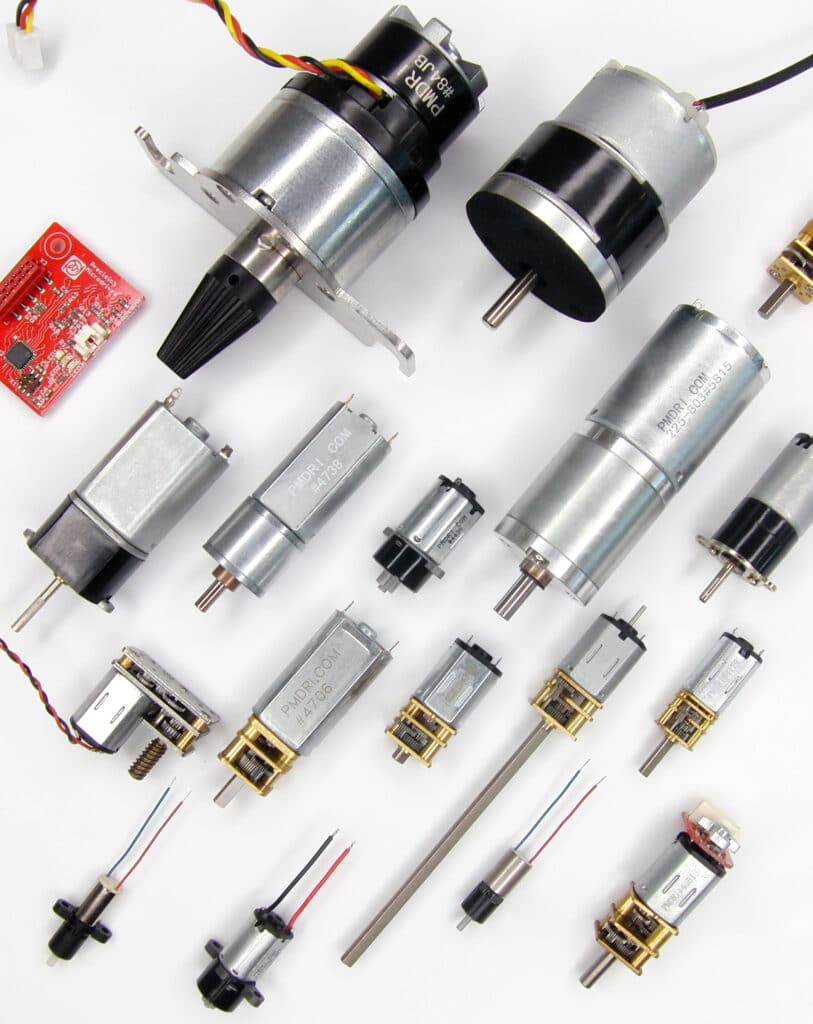
How is the efficiency of a gear motor measured, and what factors can affect it?
The efficiency of a gear motor is a measure of how effectively it converts electrical input power into mechanical output power. It indicates the motor’s ability to minimize losses and maximize its energy conversion efficiency. The efficiency of a gear motor is typically measured using specific methods, and several factors can influence it. Here’s a detailed explanation:
Measuring Efficiency:
The efficiency of a gear motor is commonly measured by comparing the mechanical output power (Pout) to the electrical input power (Pin). The formula to calculate efficiency is:
Efficiency = (Pout / Pin) * 100%
The mechanical output power can be determined by measuring the torque (T) produced by the motor and the rotational speed (ω) at which it operates. The formula for mechanical power is:
Pout = T * ω
The electrical input power can be measured by monitoring the current (I) and voltage (V) supplied to the motor. The formula for electrical power is:
Pin = V * I
By substituting these values into the efficiency formula, the efficiency of the gear motor can be calculated as a percentage.
Factors Affecting Efficiency:
Several factors can influence the efficiency of a gear motor. Here are some notable factors:
- Friction and Mechanical Losses: Friction between moving parts, such as gears and bearings, can result in mechanical losses and reduce the overall efficiency of the gear motor. Minimizing friction through proper lubrication, high-quality components, and efficient design can help improve efficiency.
- Gearing Efficiency: The design and quality of the gears used in the gear motor can impact its efficiency. Gear trains can introduce mechanical losses due to gear meshing, misalignment, or backlash. Using well-designed gears with proper tooth profiles and minimizing gear train losses can improve efficiency.
- Motor Type and Construction: Different types of motors (e.g., brushed DC, brushless DC, AC induction) have varying efficiency characteristics. Motor construction, such as the quality of magnetic materials, winding resistance, and rotor design, can also affect efficiency. Choosing motors with higher efficiency ratings can improve overall gear motor efficiency.
- Electrical Losses: Electrical losses, such as resistive losses in motor windings or in the motor drive circuitry, can reduce efficiency. Minimizing resistance, optimizing motor drive electronics, and using efficient control algorithms can help mitigate electrical losses.
- Load Conditions: The operating conditions and load characteristics placed on the gear motor can impact its efficiency. Heavy loads, high speeds, or frequent acceleration and deceleration can increase losses and reduce efficiency. Matching the gear motor’s specifications to the application requirements and optimizing load conditions can improve efficiency.
- Temperature: Elevated temperatures can significantly affect the efficiency of a gear motor. Excessive heat can increase resistive losses, reduce lubrication effectiveness, and affect the magnetic properties of motor components. Proper cooling and thermal management techniques are essential to maintain optimal efficiency.
By considering these factors and implementing measures to minimize losses and optimize performance, the efficiency of a gear motor can be enhanced. Manufacturers often provide efficiency specifications for gear motors, allowing users to select motors that best meet their efficiency requirements for specific applications.
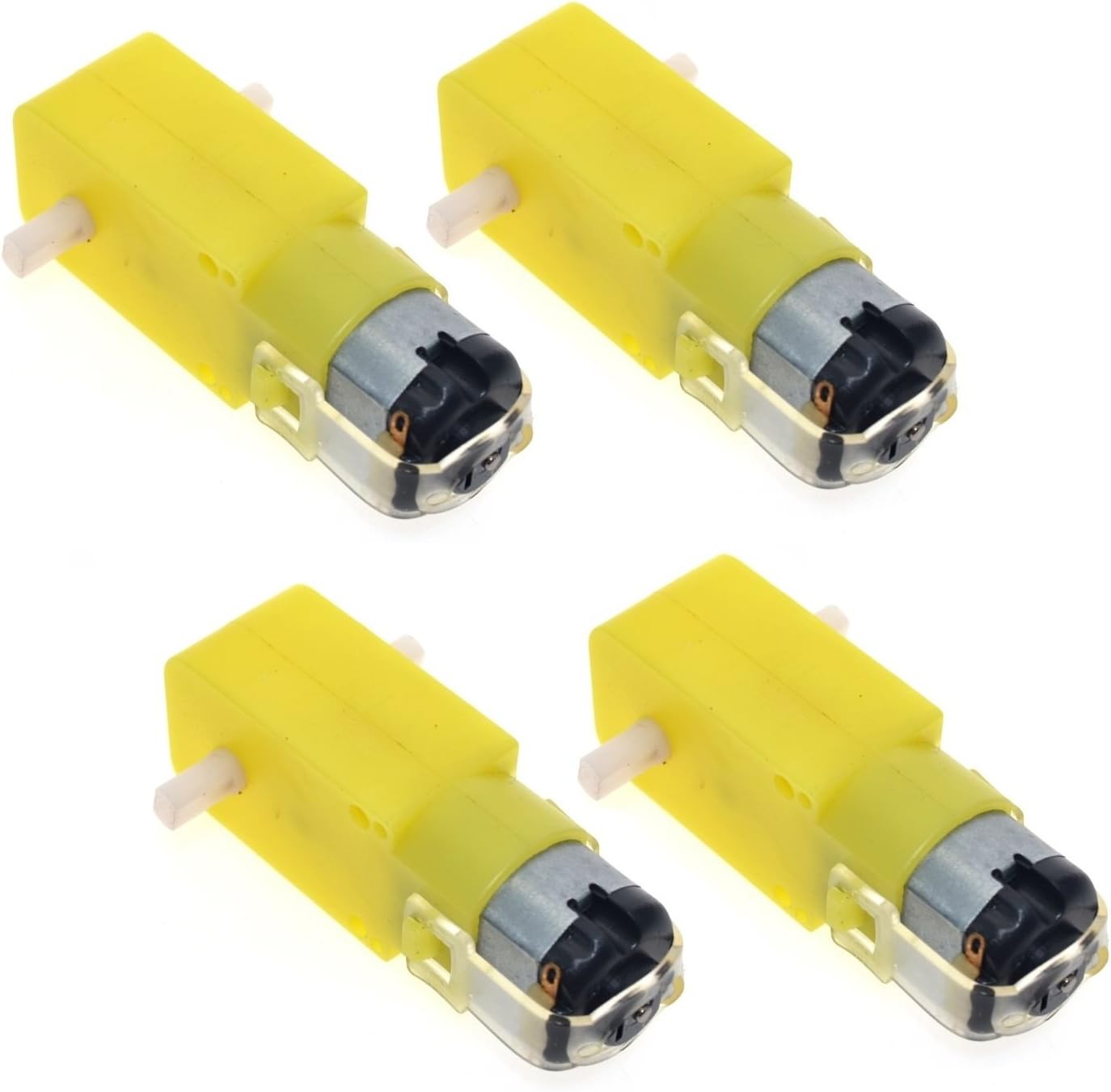
Are there environmental benefits to using gear motors in certain applications?
Yes, there are several environmental benefits associated with the use of gear motors in certain applications. Gear motors offer advantages that can contribute to increased energy efficiency, reduced resource consumption, and lower environmental impact. Here’s a detailed explanation of the environmental benefits of using gear motors:
1. Energy Efficiency:
Gear motors can improve energy efficiency in various ways:
- Torque Conversion: Gear reduction allows gear motors to deliver higher torque output while operating at lower speeds. This enables the motor to perform tasks that require high torque, such as lifting heavy loads or driving machinery with high inertia, more efficiently. By matching the motor’s power characteristics to the load requirements, gear motors can operate closer to their peak efficiency, minimizing energy waste.
- Controlled Speed: Gear reduction provides finer control over the motor’s rotational speed. This allows for more precise speed regulation, reducing the likelihood of energy overconsumption and optimizing energy usage.
2. Reduced Resource Consumption:
The use of gear motors can lead to reduced resource consumption and environmental impact:
- Smaller Motor Size: Gear reduction allows gear motors to deliver higher torque with smaller, more compact motors. This reduction in motor size translates to reduced material and resource requirements during manufacturing. It also enables the use of smaller and lighter equipment, which can contribute to energy savings during operation and transportation.
- Extended Motor Lifespan: The gear mechanism in gear motors helps reduce the load and stress on the motor itself. By distributing the load more evenly, gear motors can help extend the lifespan of the motor, reducing the need for frequent replacements and the associated resource consumption.
3. Noise Reduction:
Gear motors can contribute to a quieter and more environmentally friendly working environment:
- Noise Dampening: Gear reduction can help reduce the noise generated by the motor. The gear mechanism acts as a noise dampener, absorbing and dispersing vibrations and reducing overall noise emission. This is particularly beneficial in applications where noise reduction is important, such as residential areas, offices, or noise-sensitive environments.
4. Precision and Control:
Gear motors offer enhanced precision and control, which can lead to environmental benefits:
- Precise Positioning: Gear motors, especially stepper motors and servo motors, provide precise positioning capabilities. This accuracy allows for more efficient use of resources, minimizing waste and optimizing the performance of machinery or systems.
- Optimized Control: Gear motors enable precise control over speed, torque, and movement. This control allows for better optimization of processes, reducing energy consumption and minimizing unnecessary wear and tear on equipment.
In summary, using gear motors in certain applications can have significant environmental benefits. Gear motors offer improved energy efficiency, reduced resource consumption, noise reduction, and enhanced precision and control. These advantages contribute to lower energy consumption, reduced environmental impact, and a more sustainable approach to power transmission and control. When selecting motor systems for specific applications, considering the environmental benefits of gear motors can help promote energy efficiency and sustainability.
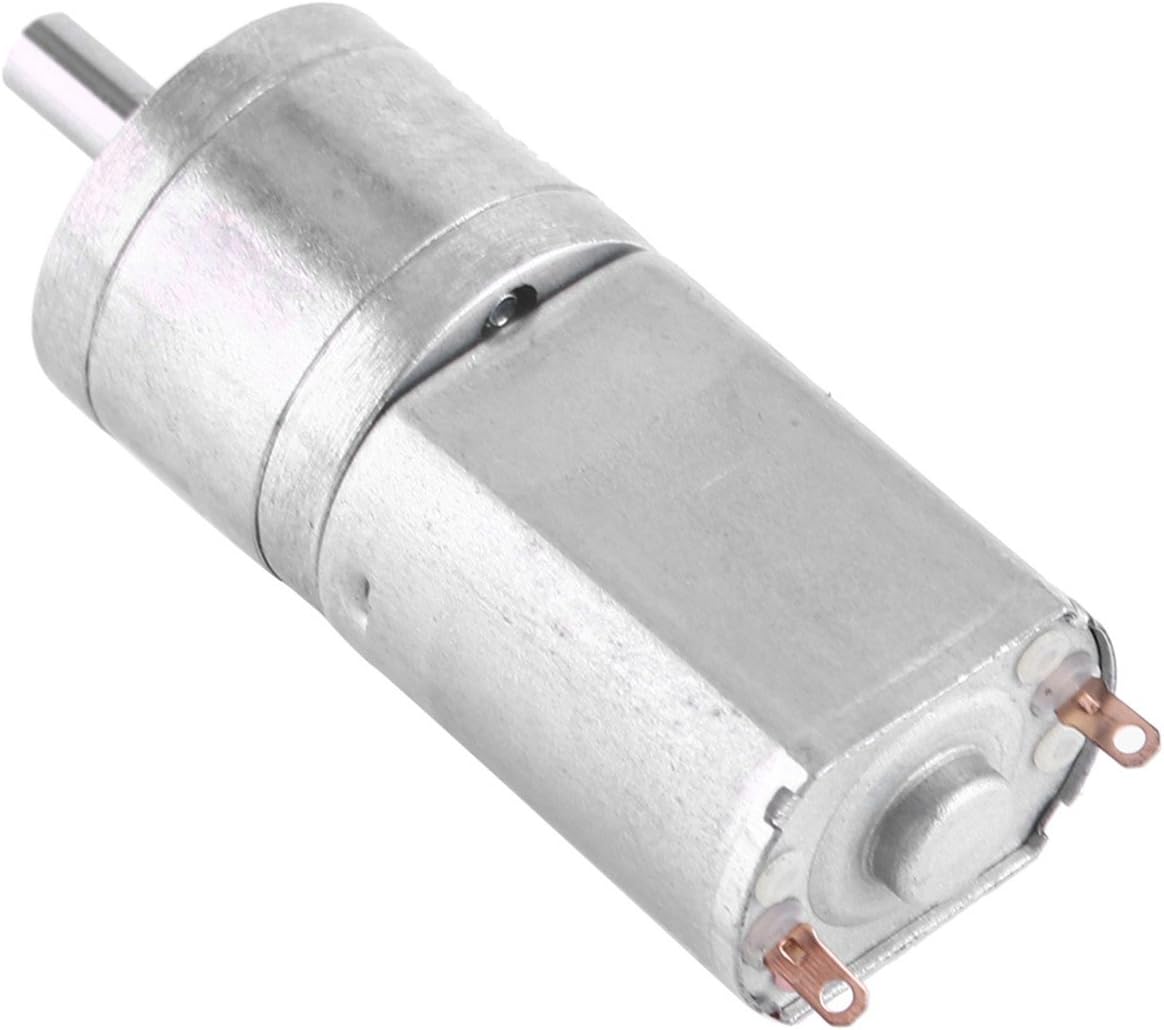
Are there specific considerations for selecting the right gear motor for a particular application?
When selecting a gear motor for a specific application, several considerations need to be taken into account. The choice of the right gear motor is crucial to ensure optimal performance, efficiency, and reliability. Here’s a detailed explanation of the specific considerations for selecting the right gear motor for a particular application:
1. Torque Requirement:
The torque requirement of the application is a critical factor in gear motor selection. Determine the maximum torque that the gear motor needs to deliver to perform the required tasks. Consider both the starting torque (the torque required to initiate motion) and the operating torque (the torque required to sustain motion). Select a gear motor that can provide adequate torque to handle the load requirements of the application. It’s important to account for any potential torque spikes or variations during operation.
2. Speed Requirement:
Consider the desired speed range or specific speed requirements of the application. Determine the rotational speed (in RPM) that the gear motor needs to achieve to meet the application’s performance criteria. Select a gear motor with a suitable gear ratio that can achieve the desired speed at the output shaft. Ensure that the gear motor can maintain the required speed consistently and accurately throughout the operation.
3. Duty Cycle:
Evaluate the duty cycle of the application, which refers to the ratio of operating time to rest or idle time. Consider whether the application requires continuous operation or intermittent operation. Determine the duty cycle’s impact on the gear motor, including factors such as heat generation, cooling requirements, and potential wear and tear. Select a gear motor that is designed to handle the expected duty cycle and ensure long-term reliability and durability.
4. Environmental Factors:
Take into account the environmental conditions in which the gear motor will operate. Consider factors such as temperature extremes, humidity, dust, vibrations, and exposure to chemicals or corrosive substances. Choose a gear motor that is specifically designed to withstand and perform optimally under the anticipated environmental conditions. This may involve selecting gear motors with appropriate sealing, protective coatings, or materials that can resist corrosion and withstand harsh environments.
5. Efficiency and Power Requirements:
Consider the desired efficiency and power consumption of the gear motor. Evaluate the power supply available for the application and select a gear motor that operates within the specified voltage and current ranges. Assess the gear motor’s efficiency to ensure that it maximizes power transmission and minimizes wasted energy. Choosing an efficient gear motor can contribute to cost savings and reduced environmental impact.
6. Physical Constraints:
Assess the physical constraints of the application, including space limitations, mounting options, and integration requirements. Consider the size, dimensions, and weight of the gear motor to ensure it can be accommodated within the available space. Evaluate the mounting options and compatibility with the application’s mechanical structure. Additionally, consider any specific integration requirements, such as shaft dimensions, connectors, or interfaces that need to align with the application’s design.
7. Noise and Vibration:
Depending on the application, noise and vibration levels may be critical factors. Evaluate the acceptable noise and vibration levels for the application’s environment and operation. Choose a gear motor that is designed to minimize noise and vibration, such as those with helical gears or precision engineering. This is particularly important in applications that require quiet operation or where excessive noise and vibration may cause issues or discomfort.
By considering these specific factors when selecting a gear motor for a particular application, you can ensure that the chosen gear motor meets the performance requirements, operates efficiently, and provides reliable and consistent power transmission. It’s important to consult with gear motor manufacturers or experts to determine the most suitable gear motor based on the specific application’s needs.


editor by CX 2023-11-27