Product Description
400W AC Engine Servo Motor with Driver for Industrial Machine Support Pluses & Direction Control
SZGH-06040DC is 400 W servo motor ,optimizing design, compact, beautiful contour, long-term continuous working in rated working mode and economic type
Packing list :
1) SZGH-06040DC 400w servo motor -1pcs
2) SZGH-SD2004 220v servo driver – 1pcs
3) SZGH1MX-5M 5meter motor cables -1pcs
4) SZGH1EX-5M 5 meter encoder cables -1 pcs
5) Manual -1pcs
Pls tell us at first time when you need :
1) Brake motor
2) Absolutely encoder
3) long cables
4)Ethernet type
Product Description
Application:Automation Machine,Robot Arm,Braided Belt Machine,Computeriaed Flat Knitting Machine,Embroidery Machine,AGV Car,Woodworking Engeaving Machine,CNC Machine…
Product Parameters
| Power(W )Torque(N.m) Speed (rpm) | |||||
| Flange | Model | Power | Torque | Speed | Matched Servo Drive |
| 40mm | SZGH-04005D | 50 | 0.16 | 3000 | SZGH-SD2004 |
| SZGH-5711D | 100 | 0.32 | 3000 | ||
| 60mm | SZGH-06571DC | 200 | 0.6 | 3000 | |
| SZGH-06040DC | 400 | 1.3 | 3000 | ||
| SZGH-06060DC | 600 | 1.9 | 3000 | ||
| 80mm | SZGH-08040DC | 400 | 1.3 | 3000 | SZGH-SD2571 |
| SZGH-08075DC | 750 | 2.4 | 3000 | ||
| SZGH-08075BC | 750 | 3.5 | 2000 | ||
| SZGH-5710CC | 1000 | 4 | 2500 | ||
| 90mm | SZGH-09075DC | 750 | 2.4 | 3000 | |
| SZGH-09075BC | 750 | 3.5 | 2000 | ||
| SZGH-5710CC | 1000 | 4 | 2500 | ||
| 110mm | SZGH-11060DC | 600 | 2 | 3000 | SZGH-SD2026 |
| SZGH-11080DC | 800 | 4 | 2000 | ||
| SZGH11120DC | 1200 | 4 | 3000 | ||
| SZGH-11150DC | 1500 | 5 | 3000 | ||
| SZGH-11120BC | 1200 | 6 | 2000 | ||
| SZGH11180DC | 1800 | 6 | 3000 | ||
| 130mm | SZGH-13100CC | 1000 | 4 | 2500 | |
| SZGH-13130CC | 1300 | 5 | 2500 | ||
| SZGH-13150CC | 1500 | 6 | 2500 | ||
| SZGH-13200CC | 2000 | 77 | 2500 | SZGH-SD2026/ SZGH-SD4038(380V) | |
| SZGH-13100AC | 1000 | 10 | 1000 | ||
| SZGH-13150AC | 1500 | 10 | 1500 | ||
| SZGH-13230AC | 2300 | 15 | 1500 | ||
| SZGH-13260CC | 2600 | 10 | 2500 | ||
| SZGH-13380CC | 3800 | 15 | 2500 | ||
| 150mm | SZGH-15380CC | 3800 | 15 | 2500 | SZGH-4038 |
| SZGH-15300BC | 3000 | 15 | 2000 | ||
| SZGH-15360BC | 3600 | 18 | 2000 | ||
| SZGH-1S470BC | 4700 | 23 | 2000 | SZGH-4075 | |
| SZGH-15550BC | 5500 | 27 | 2000 | ||
| 180mm | SZGH-18270BC | 2700 | 17.2 | 1500 | |
| SZGH-18290BC | 2900 | 27 | 1000 | ||
| SZGH-18300CC | 3000 | 19 | 1500 | ||
| SZGH-18370BC | 3700 | 35 | 1000 | ||
| SZGH-18430AC | 4300 | 27 | 1500 | ||
| SZGH-18450CC | 4500 | 21.5 | 2000 | ||
| SZGH-18550CC | 5500 | 35 | 1500 | ||
| SZGH-18750CC | 7500 | 48 | 1500 | ||
| NOTE : The above models support 2500PPR incremental encoder | |||||
| SD Series | SD2004 | SD2571 | SD2026 | SD4038 | SD4075 |
| Output Power | 50W~600W | 400W~1kW | 600W~3. 8kW | 2kW~3 8KW | 3kW~75kW |
| Input Power | Single/Three Phase AC220V-15%~+10% | Three Phase 380V | |||
| 50/60Hz | |||||
| Control Mode | 0. Position Control: 1 Speed Control; 2: Torque Control: 3:Position/Speed Control; | ||||
| 4:PositionT orque Control: 5:SpeedTorque Control | |||||
| Protective | Over-speed/Over-voltageUnder-voltage Over-current/Overload/Encoder Error/ | ||||
| Function | Control Power Eror/ Position Offset Enor | ||||
| Monitor Function | SpeedPositionPulses /Offset/TorqueCurrent/Status. | ||||
| Digital Input | 1:Servo Enable: 2:Alam Reset: 3:CCW-Forbidden: 4:CW-Forbi dden: 5:Clear | ||||
| Position Ofiset; 6:Pulse Input Forbidden; 7:CCW Torque Limit: 8:CW Torque Limit | |||||
| Digital Output | Servo-Ready On/Alam/ Orientation EndBraker Control | ||||
| Energy Braking | Support buit in Extemal Resistor Braking | ||||
| DriveLoad | Less than 3 times of rotor inertia | ||||
| Display | 5 bits LED Indicator display: 4 Operate keys | ||||
| Communication | RS485 | ||||
| Position Control | Input Mode | 0: Pulse+Direction | |||
| 1:CCW/CW Pulse | |||||
| I . . 2: AB Phase Orthogonal Pulse | |||||
| 1 . 1 3:Inner Position Control | |||||
| Electic Ratio | Numerator of Electric Ratio: 1~32767 | ||||
| Denominator of Electric Ratio: 1~32767 | |||||
| 130mm | SZGH-13100CC/T | 1000 | 4 | 2500 | SZGH-SD2026 |
| SZGH-13130CC/T | 1300 | 5 | 2500 | SZGH-SD2026 | |
| SZGH-13150CC/T | 1500 | 6 | 2500 | SZGH-SD2026 | |
| SZGH-13200CC/T | 2000 | 77 | 2500 | SZGH-SD2026/ SZGH-SD4038(380V) | |
| SZGH-13100AC/T | 1000 | 10 | 1000 | ||
| SZGH-13150AC/T | 1500 | 10 | 1500 | ||
| SZGH-13230AC/T | 2300 | 15 | 1500 | ||
| SZGH-13260CC/T | 2600 | 10 | 2500 | ||
| SZGH-13380CC/T | 3800 | 15 | 2500 | ||
| 150mm | SZGH-15380CC/T | 3800 | 15 | 2500 | SZGH-4038 |
| SZGH-15300BC/T | 3000 | 15 | 2000 | ||
| SZGH-15360BC/T | 3600 | 18 | 2000 | ||
| SZGH-1S470BC/T | 4700 | 23 | 2000 | SZGH-4075 | |
| SZGH-15550BC/T | 5500 | 27 | 2000 | ||
| 180mm | SZGH-18270BC/T | 2700 | 17.2 | 1500 | |
| SZGH-18290BC/T | 2900 | 27 | 1000 | ||
| SZGH-18300CC/T | 3000 | 19 | 1500 | ||
| SZGH-18370BC/T | 3700 | 35 | 1000 | ||
| SZGH-18430AC/T | 4300 | 27 | 1500 | ||
| SZGH-18450CC/T | 4500 | 21.5 | 2000 | ||
| SZGH-18550CC/T | 5500 | 35 | 1500 | ||
| SZGH-18750CC/T | 7500 | 48 | 1500 | ||
| NOTE : The above models support 2500PPR incremental encoder & brake | |||||
Certifications
Packaging & Shipping
1.Industrial packing: plastic bag +foam boxes+ carton +wooden pallets
2.Commercial packing: plastic bag+ foam boxes + carton
3.As the clients requirement
Delivery Detail: Normally ready goods and stock within 2- 5days
Company Profile
HangZhou CHINAMFG Automation CO.,LTD (Formerly known as ‘HangZhou CHINAMFG Automation Co.,Limited(Built in 19 November 2571)’) is 1 of the leading CNC & automatic company in China, specialized in designing projects, marketing, and oversea trading, having extensive experience in CNC package solution, Our focus has been on providing the high quality of Industrial robot arm Lathe CNC system, Milling CNC system, Engraving CNC system, Grinding & router CNC system, Motor & driver, Spindle servo motor & driver, Gear reducer.
SZGH’ products have been in working with a wide variety of CNC machinery and automatic processing equipment with high performance and good precision, stably. We have now established a reliable structure , our experienced engineers and technicians are able to provide professional consultancy and offer you most suitable CNC application solution.
Our strict quality control measures guarantee excellent reliability and high standard of quality. Utilizing advanced CNC machinery to test every product, 100 percent inspection is made before packaging and shipment. Moreover, We also offer flexible lead times to support your business.
We have a large number of customers across Asia, America, the Middle East, Europe, South America, and Africa. Specially we already built own business corporate group in Middle East market.
Our Advantages
Why Choose Us ?
1:more than 10 years development and production, we are manufacturer
2:12-24 month warranty
3: more than 40 patents
4:Free training and easy operation
5: We can response 24 hours as you need
After Sales Service
Best & Professional after- sales supports
Our company have very professional engineers teams ;
We can provide the professional after -sales service to our all clients ;
Here is our engineer Mike solved the problems for our customer ;
Best supports !! Quicly reply !!
Buy at ease , use at ease !!!
FAQ
Q: Do you support CNC system and Robotic Arm System customized manufacturing?
A: Yes,we can customized manufacturing according to customer’s requirment. We support to OEM your own company display interface
and logo.
Q: How long is your CNC System and Robotic Arm System delivery time?
A: Generally it is 3-5 days if the goods are in stock. or it is 5-10 days if the goods are not in stock, it is according to
quantity.10-20 days if customized manufacturing.
Q: Do you provide samples ? is it free or extra ?
A: Yes, we could offer the sample with sample price.
Q: What is your terms of payment ?
A: Payment=1000USD, 70% T/T in advance ,balance before shippment.
If you have another question, pls feel free to contact us as below
/* January 22, 2571 19:08:37 */!function(){function s(e,r){var a,o={};try{e&&e.split(“,”).forEach(function(e,t){e&&(a=e.match(/(.*?):(.*)$/))&&1
| Application: | Machine Tool |
|---|---|
| Speed: | Variable Speed |
| Number of Stator: | Three-Phase |
| Function: | Driving, Control |
| Casing Protection: | Explosion-Proof Type |
| Number of Poles: | 4 |
| Customization: |
Available
|
|
|---|
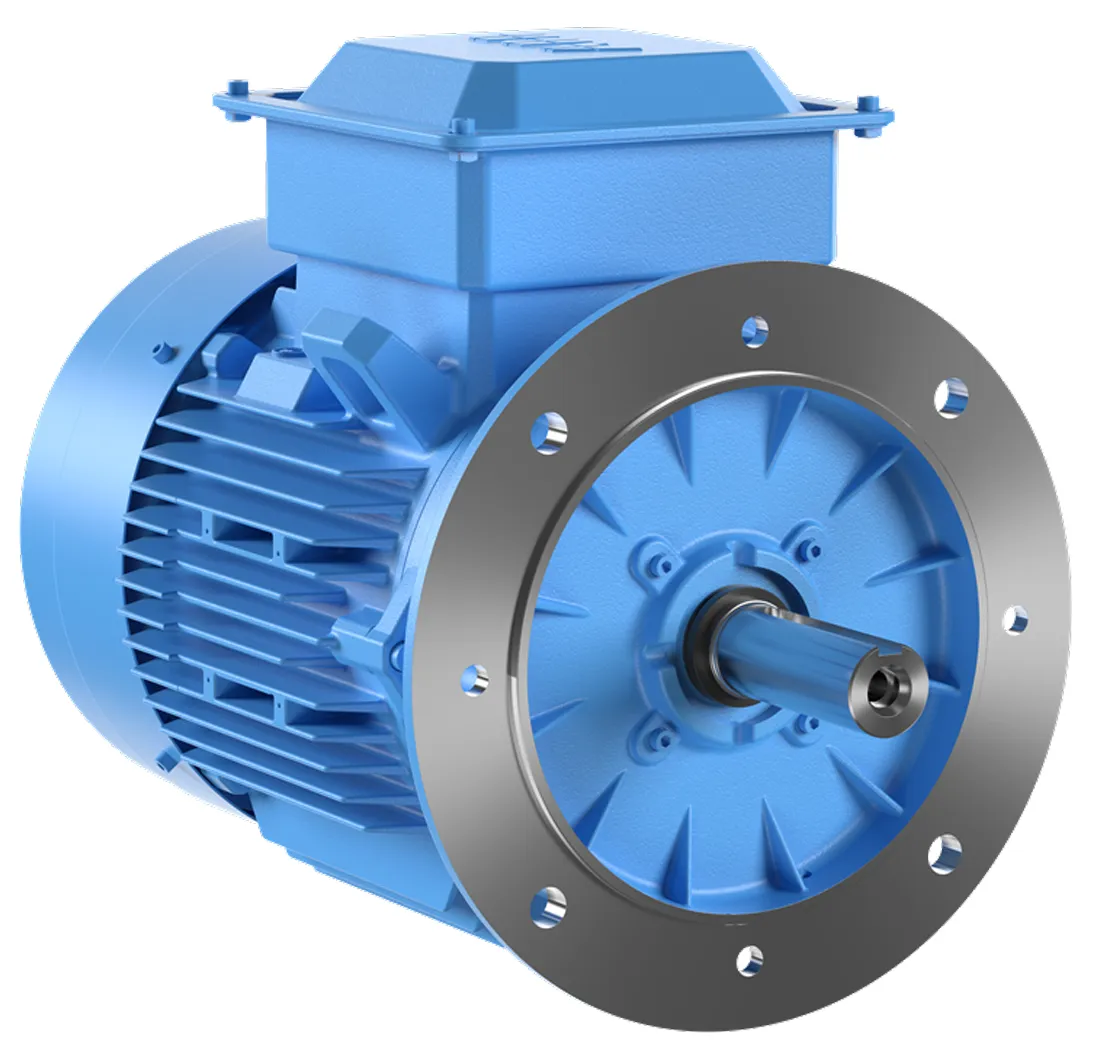
Can you explain the concept of motor efficiency and how it relates to AC motors?
Motor efficiency is a measure of how effectively an electric motor converts electrical power into mechanical power. It represents the ratio of the motor’s useful output power (mechanical power) to the input power (electrical power) it consumes. Higher efficiency indicates that the motor converts a larger percentage of the electrical energy into useful mechanical work, while minimizing energy losses in the form of heat and other inefficiencies.
In the case of AC motors, efficiency is particularly important due to their wide usage in various applications, ranging from residential appliances to industrial machinery. AC motors can be both induction motors, which are the most common type, and synchronous motors, which operate at a constant speed synchronized with the frequency of the power supply.
The efficiency of an AC motor is influenced by several factors:
- Motor Design: The design of the motor, including its core materials, winding configuration, and rotor construction, affects its efficiency. Motors that are designed with low-resistance windings, high-quality magnetic materials, and optimized rotor designs tend to have higher efficiency.
- Motor Size: The physical size of the motor can also impact its efficiency. Larger motors generally have higher efficiency because they can dissipate heat more effectively, reducing losses. However, it’s important to select a motor size that matches the application requirements to avoid operating the motor at low efficiency due to underloading.
- Operating Conditions: The operating conditions, such as load demand, speed, and temperature, can influence motor efficiency. Motors are typically designed for maximum efficiency at or near their rated load. Operating the motor beyond its rated load or at very light loads can reduce efficiency. Additionally, high ambient temperatures can cause increased losses and reduced efficiency.
- Magnetic Losses: AC motors experience losses due to magnetic effects, such as hysteresis and eddy current losses in the core materials. These losses result in heat generation and reduce overall efficiency. Motor designs that minimize magnetic losses through the use of high-quality magnetic materials and optimized core designs can improve efficiency.
- Mechanical Friction and Windage Losses: Friction and windage losses in the motor’s bearings, shaft, and rotating parts also contribute to energy losses and reduced efficiency. Proper lubrication, bearing selection, and reducing unnecessary mechanical resistance can help minimize these losses.
Efficiency is an important consideration when selecting an AC motor, as it directly impacts energy consumption and operating costs. Motors with higher efficiency consume less electrical power, resulting in reduced energy bills and a smaller environmental footprint. Additionally, higher efficiency often translates to less heat generation, which can enhance the motor’s reliability and lifespan.
Regulatory bodies and standards organizations, such as the International Electrotechnical Commission (IEC) and the National Electrical Manufacturers Association (NEMA), provide efficiency classes and standards for AC motors, such as IE efficiency classes and NEMA premium efficiency standards. These standards help consumers compare the efficiency levels of different motors and make informed choices to optimize energy efficiency.
In summary, motor efficiency is a measure of how effectively an AC motor converts electrical power into mechanical power. By selecting motors with higher efficiency, users can reduce energy consumption, operating costs, and environmental impact while ensuring reliable and sustainable motor performance.
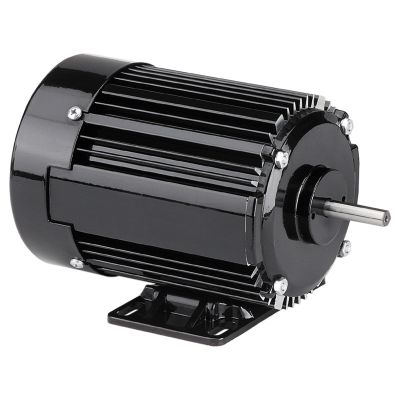
Can AC motors be used in renewable energy systems, such as wind turbines?
Yes, AC motors can be used in renewable energy systems, including wind turbines. In fact, AC motors are commonly employed in various applications within wind turbines due to their numerous advantages. Here’s a detailed explanation:
1. Generator: In a wind turbine system, the AC motor often functions as a generator. As the wind turbine blades rotate, they drive the rotor of the generator, which converts the mechanical energy of the wind into electrical energy. AC generators are commonly used in wind turbines due to their efficiency, reliability, and compatibility with power grid systems.
2. Variable Speed Control: AC motors offer the advantage of variable speed control, which is crucial for wind turbines. The wind speed is variable, and in order to maximize energy capture, the rotor speed needs to be adjusted accordingly. AC motors, when used as generators, can adjust their rotational speed with the changing wind conditions by modifying the frequency and voltage of the output electrical signal.
3. Efficiency: AC motors are known for their high efficiency, which is an important factor in renewable energy systems. Wind turbines aim to convert as much of the wind energy into electrical energy as possible. AC motors, especially those designed for high efficiency, can help maximize the overall energy conversion efficiency of the wind turbine system.
4. Grid Integration: AC motors are well-suited for grid integration in renewable energy systems. The electrical output from the AC generator can be easily synchronized with the grid frequency and voltage, allowing for seamless integration of the wind turbine system with the existing power grid infrastructure. This facilitates the efficient distribution of the generated electricity to consumers.
5. Control and Monitoring: AC motors offer advanced control and monitoring capabilities, which are essential for wind turbine systems. The electrical parameters, such as voltage, frequency, and power output, can be easily monitored and controlled in AC motor-based generators. This allows for real-time monitoring of the wind turbine performance, fault detection, and optimization of the power generation process.
6. Availability and Standardization: AC motors are widely available in various sizes and power ratings, making them readily accessible for wind turbine applications. They are also well-standardized, ensuring compatibility with other system components and facilitating maintenance, repair, and replacement activities.
It’s worth noting that while AC motors are commonly used in wind turbines, there are other types of generators and motor technologies utilized in specific wind turbine designs, such as permanent magnet synchronous generators (PMSGs) or doubly-fed induction generators (DFIGs). These alternatives offer their own advantages and may be preferred in certain wind turbine configurations.
In summary, AC motors can indeed be used in renewable energy systems, including wind turbines. Their efficiency, variable speed control, grid integration capabilities, and advanced control features make them a suitable choice for converting wind energy into electrical energy in a reliable and efficient manner.
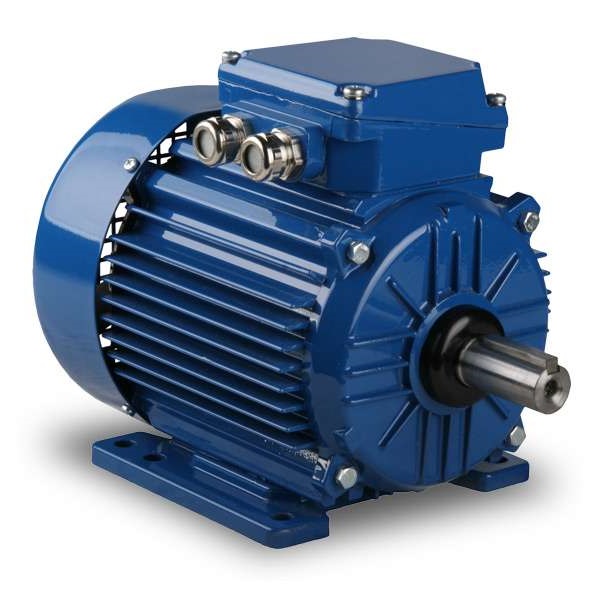
What is an AC motor, and how does it differ from a DC motor?
An AC motor, also known as an alternating current motor, is a type of electric motor that operates on alternating current. It converts electrical energy into mechanical energy through the interaction of magnetic fields. AC motors are widely used in various applications, ranging from household appliances to industrial machinery. Here’s a detailed explanation of what an AC motor is and how it differs from a DC motor:
AC Motor:
An AC motor consists of two main components: the stator and the rotor. The stator is the stationary part of the motor and contains the stator windings. These windings are typically made of copper wire and are arranged in specific configurations to create a rotating magnetic field when energized by an alternating current. The rotor, on the other hand, is the rotating part of the motor and is typically made of laminated steel cores with conducting bars or coils. The rotor windings are connected to a shaft, and their interaction with the rotating magnetic field produced by the stator causes the rotor to rotate.
The operation of an AC motor is based on the principles of electromagnetic induction. When the stator windings are energized with an AC power supply, the changing magnetic field induces a voltage in the rotor windings, which in turn creates a magnetic field. The interaction between the rotating magnetic field of the stator and the magnetic field of the rotor produces a torque, causing the rotor to rotate. The speed of rotation depends on the frequency of the AC power supply and the number of poles in the motor.
DC Motor:
A DC motor, also known as a direct current motor, operates on direct current. Unlike an AC motor, which relies on the interaction of magnetic fields to generate torque, a DC motor uses the principle of commutation to produce rotational motion. A DC motor consists of a stator and a rotor, similar to an AC motor. The stator contains the stator windings, while the rotor consists of a rotating armature with coils or permanent magnets.
In a DC motor, when a direct current is applied to the stator windings, a magnetic field is created. The rotor, either through the use of brushes and a commutator or electronic commutation, aligns itself with the magnetic field and begins to rotate. The direction of the current in the rotor windings is continuously reversed to ensure continuous rotation. The speed of a DC motor can be controlled by adjusting the voltage applied to the motor or by using electronic speed control methods.
Differences:
The main differences between AC motors and DC motors are as follows:
- Power Source: AC motors operate on alternating current, which is the standard power supply in most residential and commercial buildings. DC motors, on the other hand, require direct current and typically require a power supply that converts AC to DC.
- Construction: AC motors and DC motors have similar construction with stators and rotors, but the design and arrangement of the windings differ. AC motors generally have three-phase windings, while DC motors can have either armature windings or permanent magnets.
- Speed Control: AC motors typically operate at fixed speeds determined by the frequency of the power supply and the number of poles. DC motors, on the other hand, offer more flexibility in speed control and can be easily adjusted over a wide range of speeds.
- Efficiency: AC motors are generally more efficient than DC motors. AC motors can achieve higher power densities and are often more suitable for high-power applications. DC motors, however, offer better speed control and are commonly used in applications that require precise speed regulation.
- Applications: AC motors are widely used in applications such as industrial machinery, HVAC systems, pumps, and compressors. DC motors find applications in robotics, electric vehicles, computer disk drives, and small appliances.
In conclusion, AC motors and DC motors differ in their power source, construction, speed control, efficiency, and applications. AC motors rely on the interaction of magnetic fields and operate on alternating current, while DC motors use commutation and operate on direct current. Each type of motor has its advantages and is suited for different applications based on factors such as power requirements, speed control needs, and efficiency considerations.


editor by CX 2024-05-13