Product Description
GEXIN YC/YCL Series Single Phase Capacitors Industrial Electrical Asynchronous Motor
Gexin Electromechanical Co.,Ltd. is a company specializing in the production and processing of YD, YCT, YEJ, YVF, YBE4, Y. YE3 .YE4 and other three-phase asynchronous motors. It has a strong R&D team, and the motor produced by the company is brand new, with national standard stator and rotor and all copper. Product 3c certification, strict technology, each processed part has passed the incoming QC, and the manufacturing process inspection. With rich production experience and advanced production equipment, the company has established long-term cooperative relations with many enterprises with strong strength, reasonable price and high-quality service. Business is sincere, and being the first person in business is our aim.
Product Description
YC/ YCL Sries Motors are fully enclosed single- phase asynchronous Motors with the latest design . With features like simple structure, reliable performance, easy maintenance and achievement of technical-economic targets, the motors have widely used in the air compressor,pumps, refrigerator, washing machine, medical equipment, wood-working machinery, all kinds of agricultural and so on. YC motor series have protection Class of E or B, Cooling method of IC411.
Under reted voltage and 50Hz,the starting torque is 3 times more than the rated torque and 60Hz is more than 2.75 times.Motors for 4 HP and over are of capacitor start and run type.They all have the advantage of high starting torque,smooth running,low temperature rise,low noise and greater overload performance.
Motor Features:
1. Frame size:H80-132;
2. Power: 0.37-5.5KW;
3. Voltage: 110V, 220V ;
4. Rated Frequency: 50 Hz/60Hz ;
5. Poles: 2/4
6. Speed: 3000/1500 r/min
7. Ambient Temperature: -15°C-40°C
8. Duty: continuous (S1);
9. Insulation Class: B , F;
10. Protection Class: IP44, IP54;
11. Frame material: Cast iron body
12. Cooling Method: IC411 Standards;
13. Altitude: No more than 1,000 CHINAMFG above sea level;
14. Packing: 71-132 frame be packaged by carton&pallets
15. Certifications: CE, CCC, ISO9001: 2008
Exploded View
Product Parameters
Installation Instructions
Installation Diemsions
Detailed Photos
Advantage
* 100% Copper wire,100% Power Output;
* 100% test after each process and final test before packing.
* 20Years Manufacture Experience;
* Single Phase Motors are with centrifugal switch ,which are suitable for high start torque application like air compressor,fans,pumps and so on;
* Energy saving;
* Superior Life;
* Quiet Operation;
* Easy maintance;
* Be made of selected quality materals.latest design in entirety;
*OEM Service
*CE/ISO Approved
*20-30days lead time
Quality Assurance:
1 year quality warranty and fast after-sales service.
Gexin Electromechanical Co., Ltd., which has 150 employees, an annual output value of $1800w and an area of 26000 square meters.
FAQ
1: Are you a factory or just a trading company?
A1: Manufacturer,and we focus on the development and production of electric motors for more than 20 years.
Q2: Is customized service available?
A2: Of course, OEM & ODM both are available.
Q3: How can I get the quotation?
A3: Leave us message with your purchase requirements and we will reply you within 1 hour on working time. And you may contact us directly by Trade Manager.
Q4:Can I buy 1 as sample?
A4: Yes, of course.
Q5: How about your quality control?
A5: Our professional QC will check the quality during the production and do the quality test before shipment.
Q6: What is your payment term?
A6: 30% T/T in advance, 70% balance when receiving B/L copy Or 100% irrevocable L/C at sight.
Q7: What is your lead time?
A7: About 20-30 days after receiving advance deposit or original L/C.
Q8: What certificates do you have?
A8: We have CE, ISO. And we can apply for specific certificate for different country such as SONCAP for Nigeria, COI for Iran, SASO for Saudi Arabia, etc.
Q9: What warranty do you provide?
A9: One year, during the guarantee period, we will supply freely of the easy damaged parts for the possible problems except for the incorrect operation. After expiration, we supply cost spare parts for alternator maintenance.
/* January 22, 2571 19:08:37 */!function(){function s(e,r){var a,o={};try{e&&e.split(“,”).forEach(function(e,t){e&&(a=e.match(/(.*?):(.*)$/))&&1
| Application: | Industrial, Household Appliances, Power Tools |
|---|---|
| Operating Speed: | High Speed |
| Number of Stator: | Single-Phase |
| Species: | Single Phase |
| Rotor Structure: | Winding Type |
| Casing Protection: | Closed Type |
| Samples: |
US$ 130/Piece
1 Piece(Min.Order) | |
|---|
| Customization: |
Available
|
|
|---|
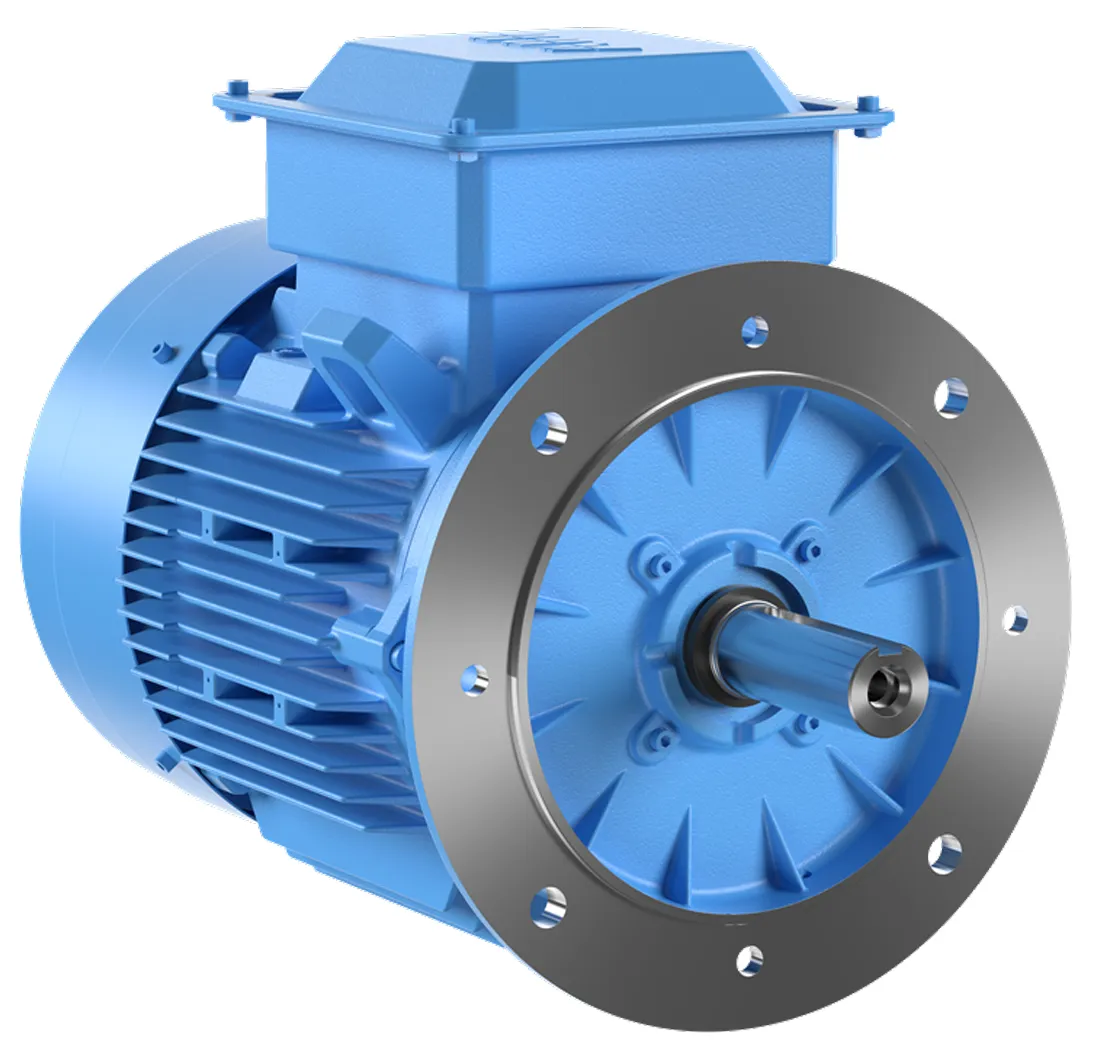
Can you explain the concept of motor efficiency and how it relates to AC motors?
Motor efficiency is a measure of how effectively an electric motor converts electrical power into mechanical power. It represents the ratio of the motor’s useful output power (mechanical power) to the input power (electrical power) it consumes. Higher efficiency indicates that the motor converts a larger percentage of the electrical energy into useful mechanical work, while minimizing energy losses in the form of heat and other inefficiencies.
In the case of AC motors, efficiency is particularly important due to their wide usage in various applications, ranging from residential appliances to industrial machinery. AC motors can be both induction motors, which are the most common type, and synchronous motors, which operate at a constant speed synchronized with the frequency of the power supply.
The efficiency of an AC motor is influenced by several factors:
- Motor Design: The design of the motor, including its core materials, winding configuration, and rotor construction, affects its efficiency. Motors that are designed with low-resistance windings, high-quality magnetic materials, and optimized rotor designs tend to have higher efficiency.
- Motor Size: The physical size of the motor can also impact its efficiency. Larger motors generally have higher efficiency because they can dissipate heat more effectively, reducing losses. However, it’s important to select a motor size that matches the application requirements to avoid operating the motor at low efficiency due to underloading.
- Operating Conditions: The operating conditions, such as load demand, speed, and temperature, can influence motor efficiency. Motors are typically designed for maximum efficiency at or near their rated load. Operating the motor beyond its rated load or at very light loads can reduce efficiency. Additionally, high ambient temperatures can cause increased losses and reduced efficiency.
- Magnetic Losses: AC motors experience losses due to magnetic effects, such as hysteresis and eddy current losses in the core materials. These losses result in heat generation and reduce overall efficiency. Motor designs that minimize magnetic losses through the use of high-quality magnetic materials and optimized core designs can improve efficiency.
- Mechanical Friction and Windage Losses: Friction and windage losses in the motor’s bearings, shaft, and rotating parts also contribute to energy losses and reduced efficiency. Proper lubrication, bearing selection, and reducing unnecessary mechanical resistance can help minimize these losses.
Efficiency is an important consideration when selecting an AC motor, as it directly impacts energy consumption and operating costs. Motors with higher efficiency consume less electrical power, resulting in reduced energy bills and a smaller environmental footprint. Additionally, higher efficiency often translates to less heat generation, which can enhance the motor’s reliability and lifespan.
Regulatory bodies and standards organizations, such as the International Electrotechnical Commission (IEC) and the National Electrical Manufacturers Association (NEMA), provide efficiency classes and standards for AC motors, such as IE efficiency classes and NEMA premium efficiency standards. These standards help consumers compare the efficiency levels of different motors and make informed choices to optimize energy efficiency.
In summary, motor efficiency is a measure of how effectively an AC motor converts electrical power into mechanical power. By selecting motors with higher efficiency, users can reduce energy consumption, operating costs, and environmental impact while ensuring reliable and sustainable motor performance.
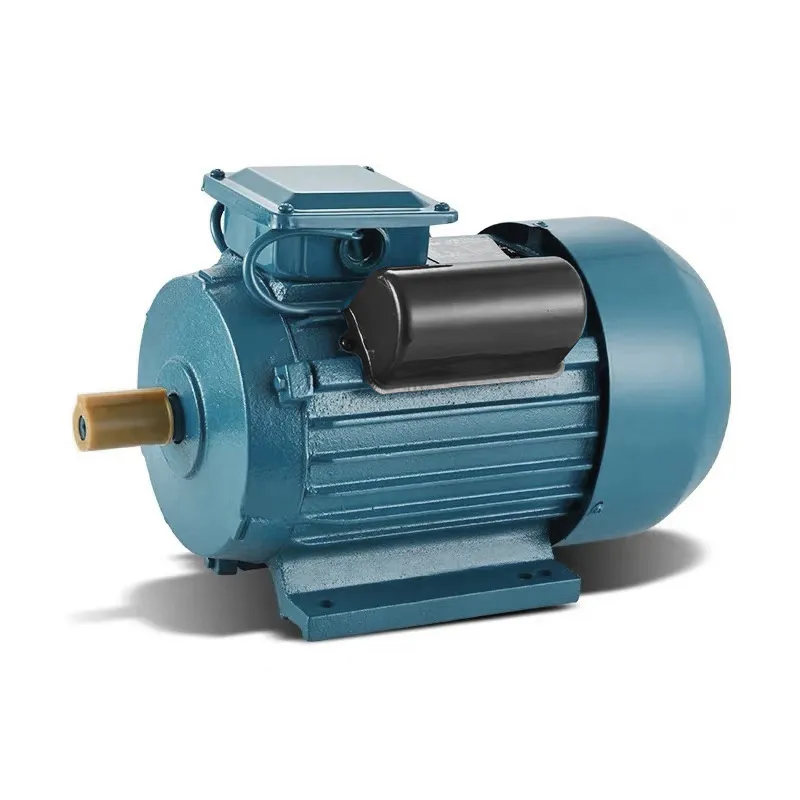
How do AC motors contribute to the functioning of household appliances?
AC motors play a crucial role in the functioning of numerous household appliances by converting electrical energy into mechanical energy. These motors are used in a wide range of devices, powering various components and performing essential tasks. Let’s explore how AC motors contribute to the functioning of household appliances:
- Kitchen Appliances: AC motors are found in various kitchen appliances, such as refrigerators, freezers, dishwashers, and blenders. In refrigerators and freezers, AC motors drive the compressor, which circulates the refrigerant and maintains the desired temperature. Dishwashers use AC motors to power the water pumps, spray arms, and the motorized detergent dispenser. Blenders utilize AC motors to rotate the blades and blend ingredients.
- Laundry Appliances: AC motors are integral to laundry appliances like washing machines and clothes dryers. Washing machines rely on AC motors to power the agitator or the drum, facilitating the washing and spinning cycles. Clothes dryers use AC motors to rotate the drum and operate the blower fan, facilitating the drying process.
- Vacuum Cleaners: Vacuum cleaners utilize AC motors to generate suction and drive the motorized brush or beater bar. These motors power the fan or impeller, creating the necessary airflow for effective cleaning.
- Fans and Air Circulation: AC motors are employed in various types of fans, including ceiling fans, table fans, and pedestal fans. These motors drive the fan blades, producing airflow and facilitating air circulation to provide cooling or ventilation in rooms. Additionally, AC motors power exhaust fans used in kitchens, bathrooms, and range hoods to remove odors, smoke, or excess moisture.
- Air Conditioning and Heating Systems: AC motors are critical components in air conditioning and heating systems. They power the compressor, condenser fan, and blower fan, which are responsible for circulating refrigerant, dissipating heat, and delivering conditioned air throughout the house. AC motors enable the regulation of temperature and humidity levels, ensuring comfort in residential spaces.
- Garage Door Openers: AC motors are utilized in garage door openers to drive the mechanism responsible for opening and closing the garage door. These motors generate the necessary torque to lift or lower the door smoothly and efficiently.
- Other Appliances: AC motors are also found in a variety of other household appliances. For instance, they power pumps in water heaters, swimming pool filters, and sump pumps. AC motors are used in dehumidifiers, humidifiers, and air purifiers to drive the fans and other internal components. They are also present in audiovisual equipment, such as DVD players, record players, and fans used for cooling electronics.
In summary, AC motors are essential components in household appliances, enabling their proper functioning and delivering the mechanical energy required for various tasks. From kitchen appliances to laundry machines, fans, air conditioning systems, and more, AC motors provide the necessary power and functionality to enhance our daily lives.
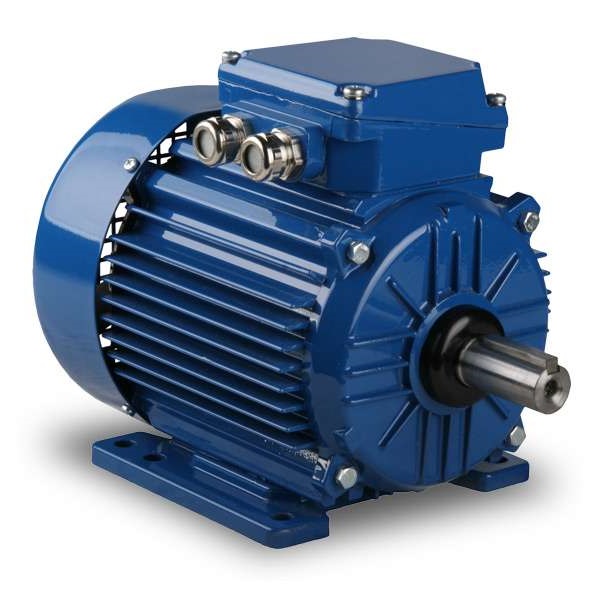
What is an AC motor, and how does it differ from a DC motor?
An AC motor, also known as an alternating current motor, is a type of electric motor that operates on alternating current. It converts electrical energy into mechanical energy through the interaction of magnetic fields. AC motors are widely used in various applications, ranging from household appliances to industrial machinery. Here’s a detailed explanation of what an AC motor is and how it differs from a DC motor:
AC Motor:
An AC motor consists of two main components: the stator and the rotor. The stator is the stationary part of the motor and contains the stator windings. These windings are typically made of copper wire and are arranged in specific configurations to create a rotating magnetic field when energized by an alternating current. The rotor, on the other hand, is the rotating part of the motor and is typically made of laminated steel cores with conducting bars or coils. The rotor windings are connected to a shaft, and their interaction with the rotating magnetic field produced by the stator causes the rotor to rotate.
The operation of an AC motor is based on the principles of electromagnetic induction. When the stator windings are energized with an AC power supply, the changing magnetic field induces a voltage in the rotor windings, which in turn creates a magnetic field. The interaction between the rotating magnetic field of the stator and the magnetic field of the rotor produces a torque, causing the rotor to rotate. The speed of rotation depends on the frequency of the AC power supply and the number of poles in the motor.
DC Motor:
A DC motor, also known as a direct current motor, operates on direct current. Unlike an AC motor, which relies on the interaction of magnetic fields to generate torque, a DC motor uses the principle of commutation to produce rotational motion. A DC motor consists of a stator and a rotor, similar to an AC motor. The stator contains the stator windings, while the rotor consists of a rotating armature with coils or permanent magnets.
In a DC motor, when a direct current is applied to the stator windings, a magnetic field is created. The rotor, either through the use of brushes and a commutator or electronic commutation, aligns itself with the magnetic field and begins to rotate. The direction of the current in the rotor windings is continuously reversed to ensure continuous rotation. The speed of a DC motor can be controlled by adjusting the voltage applied to the motor or by using electronic speed control methods.
Differences:
The main differences between AC motors and DC motors are as follows:
- Power Source: AC motors operate on alternating current, which is the standard power supply in most residential and commercial buildings. DC motors, on the other hand, require direct current and typically require a power supply that converts AC to DC.
- Construction: AC motors and DC motors have similar construction with stators and rotors, but the design and arrangement of the windings differ. AC motors generally have three-phase windings, while DC motors can have either armature windings or permanent magnets.
- Speed Control: AC motors typically operate at fixed speeds determined by the frequency of the power supply and the number of poles. DC motors, on the other hand, offer more flexibility in speed control and can be easily adjusted over a wide range of speeds.
- Efficiency: AC motors are generally more efficient than DC motors. AC motors can achieve higher power densities and are often more suitable for high-power applications. DC motors, however, offer better speed control and are commonly used in applications that require precise speed regulation.
- Applications: AC motors are widely used in applications such as industrial machinery, HVAC systems, pumps, and compressors. DC motors find applications in robotics, electric vehicles, computer disk drives, and small appliances.
In conclusion, AC motors and DC motors differ in their power source, construction, speed control, efficiency, and applications. AC motors rely on the interaction of magnetic fields and operate on alternating current, while DC motors use commutation and operate on direct current. Each type of motor has its advantages and is suited for different applications based on factors such as power requirements, speed control needs, and efficiency considerations.


editor by CX 2024-03-29