Product Description
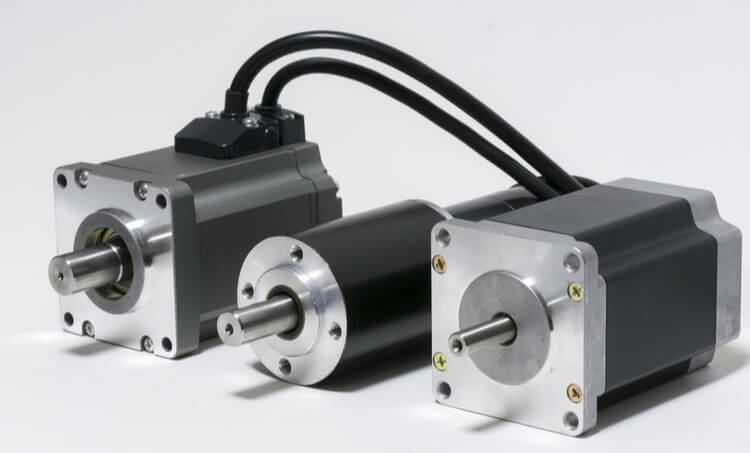
new original AC servo motor for cnc machines
| Servo Motor Specifications | ||||||||||||||
| Model type | Rated power (KW) |
Rated RPM (rpm) |
Rated torque (N.M) |
Rated voltage (V) |
Rated current (A) |
Frequency (HZ) |
Counter electromotive force V/**rpm |
Torque constant KT(N.M/A) |
Rotor inertia Kgm210-3 |
Line resistance (ΩRw20ºC) |
Line inductance (mH) |
L1/mm | L2/mm | Notes |
| 18 | 6.7 | 1500 | 43 | 380 | 13 | 100 | 334/1500 | 3.31 | 5.8 | 1.19 | 13.2 | 312 | 344 | |
| 7.6 | 1700 | 43 | 380 | 15 | 113.3 | 310/1700 | 2.87 | 5.8 | 1.12 | 12.1 | ||||
| 9 | 2000 | 43 | 380 | 17 | 120 | 324/2000 | 2.53 | 5.8 | 0.72 | 7.6 | ||||
| 18 | 9.5 | 1500 | 62 | 380 | 19 | 100 | 315/1500 | 3.26 | 7.5 | 0.63 | 7.9 | 312 | 380 | |
| 11 | 1700 | 62 | 380 | 22 | 113.3 | 306/1700 | 2.82 | 7.5 | 0.58 | 7.9 | ||||
| 13 | 2000 | 62 | 380 | 25 | 120 | 328/2000 | 2.48 | 7.5 | 0.37 | 5.2 | ||||
| 18 | 13.5 | 1500 | 86 | 380 | 28 | 100 | 301/1500 | 3.07 | 9.8 | 0.43 | 6.5 | 312 | 416 | |
| 15.3 | 1700 | 86 | 380 | 30 | 113.3 | 307/1700 | 2.87 | 9.8 | 0.34 | 5.1 | ||||
| 18 | 2000 | 86 | 380 | 35 | 120 | 324/2000 | 2.46 | 9.8 | 0.25 | 3.8 | ||||
| 18 | 16.5 | 1500 | 105 | 380 | 34 | 100 | 297/1500 | 3.09 | 11.4 | 0.31 | 4.7 | 312 | 452 | |
| 18.7 | 1700 | 105 | 380 | 37 | 113.3 | 295/1700 | 2.84 | 11.4 | 0.31 | 4.8 | ||||
| 22 | 2000 | 105 | 380 | 45 | 120 | 297/2000 | 2.33 | 11.4 | 0.21 | 3.2 | ||||
| 18 | 20 | 1500 | 129 | 380 | 38 | 100 | 313/1500 | 3.39 | 13.1 | 0.22 | 3.9 | 312 | 488 | |
| 23 | 1700 | 129 | 380 | 45 | 113.3 | 304/1700 | 2.87 | 13.1 | 0.22 | 3.9 | ||||
| 27 | 2000 | 129 | 380 | 54 | 120 | 298/2000 | 2.39 | 13.1 | 0.15 | 2.5 | ||||
| 18 | 23.5 | 1500 | 149 | 380 | 45 | 100 | 316/1500 | 3.31 | 14.5 | 0.15 | 2.8 | 396 | 524 | |
| 26.5 | 1700 | 149 | 380 | 54 | 113.3 | 298/1700 | 2.76 | 14.5 | 0.15 | 2.8 | ||||
| 31 | 2000 | 149 | 380 | 70 | 120 | 283/2000 | 2.13 | 14.5 | 0.09 | 1.6 | ||||
| 18 | 27.5 | 1500 | 177 | 380 | 55 | 100 | 298/1500 | 3.22 | 15.9 | 0.18 | 3.5 | 396 | 560 | |
| 31.5 | 1700 | 177 | 380 | 57 | 113.3 | 330/1700 | 3.11 | 15.9 | 0.15 | 2.5 | ||||
| 37 | 2000 | 177 | 380 | 70 | 120 | 310/2000 | 2.53 | 15.9 | 0.09 | 1.9 | ||||
| 18 | 31 | 1500 | 196 | 380 | 60 | 100 | 345/1500 | 3.27 | 17.4 | 0.21 | 3.2 | 396 | 596 | |
| 35 | 1700 | 196 | 380 | 70 | 113.3 | 315/1700 | 2.80 | 17.4 | 0.27 | 2.2 | ||||
| 41 | 2000 | 196 | 380 | 92 | 120 | 278/2000 | 2.13 | 17.4 | 0.12 | 1.3 | ||||
1. we use carton box to make package.
2.Also, we support custom made according to customer’s need
1. Are you factory?
Yes, we are facotry, and we produce AC motor/driver, Servo motor/driver and planetary reducer for more then 13 years in China.
2. How to select models?
Before purchasing, please contact us to confirm model No. and specifications to avoid any misunderstanding.
3. How do you ship the goods?
We normally ship goods by sea ,by express(DHL/UPS/FEDEX/EMS), and by air, also accept customer appointed.
4. Can I test sample?
Yes, sample charged can be offered for testing.
5. Can we be agent or distributor?
Yes, welcome and we will support you.
6. Can you do OEM or ODM service?
Yes, we have R&D department and accept OEM and ODM service.
7. How about warranty?
18 MONTH warranty, technical support available, we always try our best to help customers to solve problems
8. servo motor system usage
1) numerical control machine tools
2)textile machinery
3) packaging machines
4) printing machines
5)cutting machine
6)marking machines
7) industrial robots
8′ many other industrial automation fields.
| Application: | Industrial |
|---|---|
| Speed: | Constant Speed |
| Number of Stator: | Three-Phase |
| Function: | Driving |
| Casing Protection: | Open Type |
| Number of Poles: | 8 |
| Samples: |
US$ 489/set
1 set(Min.Order) | |
|---|
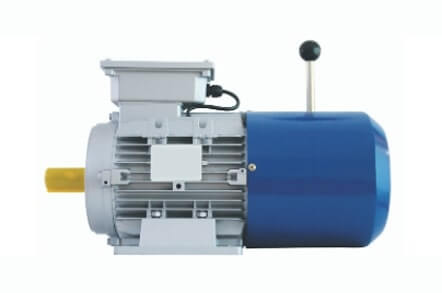
Are there specific maintenance requirements for AC motors to ensure optimal performance?
Yes, AC motors have specific maintenance requirements to ensure their optimal performance and longevity. Regular maintenance helps prevent unexpected failures, maximizes efficiency, and extends the lifespan of the motor. Here are some key maintenance practices for AC motors:
- Cleaning and Inspection: Regularly clean the motor to remove dust, dirt, and debris that can accumulate on the motor surfaces and hinder heat dissipation. Inspect the motor for any signs of damage, loose connections, or abnormal noise/vibration. Address any issues promptly to prevent further damage.
- Lubrication: Check the motor’s lubrication requirements and ensure proper lubrication of bearings, gears, and other moving parts. Insufficient or excessive lubrication can lead to increased friction, overheating, and premature wear. Follow the manufacturer’s guidelines for lubrication intervals and use the recommended lubricants.
- Belt and Pulley Maintenance: If the motor is coupled with a belt and pulley system, regularly inspect and adjust the tension of the belts. Improper belt tension can affect motor performance and efficiency. Replace worn-out belts and damaged pulleys as needed.
- Cooling System Maintenance: AC motors often have cooling systems such as fans or heat sinks to dissipate heat generated during operation. Ensure that these cooling systems are clean and functioning properly. Remove any obstructions that may impede airflow and compromise cooling efficiency.
- Electrical Connections: Regularly inspect the motor’s electrical connections for signs of loose or corroded terminals. Loose connections can lead to voltage drops, increased resistance, and overheating. Tighten or replace any damaged connections and ensure proper grounding.
- Vibration Analysis: Periodically perform vibration analysis on the motor to detect any abnormal vibrations. Excessive vibration can indicate misalignment, unbalanced rotors, or worn-out bearings. Address the underlying causes of vibration to prevent further damage and ensure smooth operation.
- Motor Testing: Conduct regular motor testing, such as insulation resistance testing and winding resistance measurement, to assess the motor’s electrical condition. These tests can identify insulation breakdown, winding faults, or other electrical issues that may affect motor performance and reliability.
- Professional Maintenance: For more complex maintenance tasks or when dealing with large industrial motors, it is advisable to involve professional technicians or motor specialists. They have the expertise and tools to perform in-depth inspections, repairs, and preventive maintenance procedures.
It’s important to note that specific maintenance requirements may vary depending on the motor type, size, and application. Always refer to the manufacturer’s guidelines and recommendations for the particular AC motor in use. By following proper maintenance practices, AC motors can operate optimally, minimize downtime, and have an extended service life.
Are there energy-saving technologies or features available in modern AC motors?
Yes, modern AC motors often incorporate various energy-saving technologies and features designed to improve their efficiency and reduce power consumption. These advancements aim to minimize energy losses and optimize motor performance. Here are some energy-saving technologies and features commonly found in modern AC motors:
- High-Efficiency Designs: Modern AC motors are often designed with higher efficiency standards compared to older models. These motors are built using advanced materials and optimized designs to reduce energy losses, such as resistive losses in motor windings and mechanical losses due to friction and drag. High-efficiency motors can achieve energy savings by converting a higher percentage of electrical input power into useful mechanical work.
- Premium Efficiency Standards: International standards and regulations, such as the NEMA Premium® and IE (International Efficiency) classifications, define minimum energy efficiency requirements for AC motors. Premium efficiency motors meet or exceed these standards, offering improved efficiency compared to standard motors. These motors often incorporate design enhancements, such as improved core materials, reduced winding resistance, and optimized ventilation systems, to achieve higher efficiency levels.
- Variable Frequency Drives (VFDs): VFDs, also known as adjustable speed drives or inverters, are control devices that allow AC motors to operate at variable speeds by adjusting the frequency and voltage of the electrical power supplied to the motor. By matching the motor speed to the load requirements, VFDs can significantly reduce energy consumption. VFDs are particularly effective in applications where the motor operates at a partial load for extended periods, such as HVAC systems, pumps, and fans.
- Efficient Motor Control Algorithms: Modern motor control algorithms, implemented in motor drives or control systems, optimize motor operation for improved energy efficiency. These algorithms dynamically adjust motor parameters, such as voltage, frequency, and current, based on load conditions, thereby minimizing energy wastage. Advanced control techniques, such as sensorless vector control or field-oriented control, enhance motor performance and efficiency by precisely regulating the motor’s magnetic field.
- Improved Cooling and Ventilation: Effective cooling and ventilation are crucial for maintaining motor efficiency. Modern AC motors often feature enhanced cooling systems, including improved fan designs, better airflow management, and optimized ventilation paths. Efficient cooling helps prevent motor overheating and reduces losses due to heat dissipation. Some motors also incorporate thermal monitoring and protection mechanisms to avoid excessive temperatures and ensure optimal operating conditions.
- Bearings and Friction Reduction: Friction losses in bearings and mechanical components can consume significant amounts of energy in AC motors. Modern motors employ advanced bearing technologies, such as sealed or lubrication-free bearings, to reduce friction and minimize energy losses. Additionally, optimized rotor and stator designs, along with improved manufacturing techniques, help reduce mechanical losses and enhance motor efficiency.
- Power Factor Correction: Power factor is a measure of how effectively electrical power is being utilized. AC motors with poor power factor can contribute to increased reactive power consumption and lower overall power system efficiency. Power factor correction techniques, such as capacitor banks or power factor correction controllers, are often employed to improve power factor and minimize reactive power losses, resulting in more efficient motor operation.
By incorporating these energy-saving technologies and features, modern AC motors can achieve significant improvements in energy efficiency, leading to reduced power consumption and lower operating costs. When considering the use of AC motors, it is advisable to select models that meet or exceed recognized efficiency standards and consult manufacturers or experts to ensure the motor’s compatibility with specific applications and energy-saving requirements.
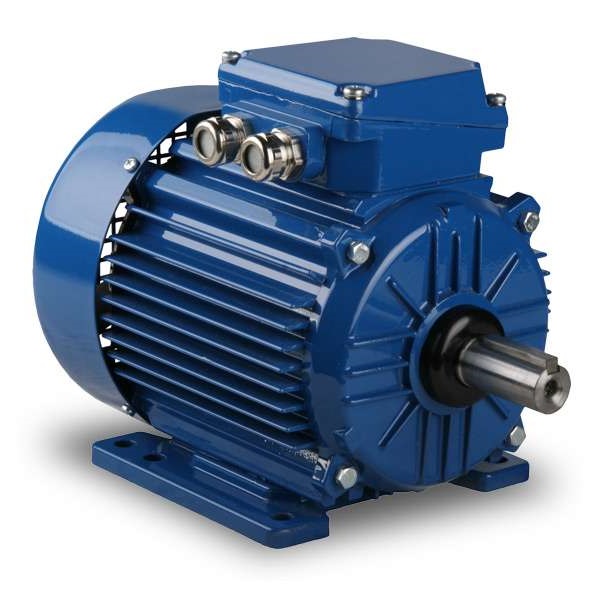
What is an AC motor, and how does it differ from a DC motor?
An AC motor, also known as an alternating current motor, is a type of electric motor that operates on alternating current. It converts electrical energy into mechanical energy through the interaction of magnetic fields. AC motors are widely used in various applications, ranging from household appliances to industrial machinery. Here’s a detailed explanation of what an AC motor is and how it differs from a DC motor:
AC Motor:
An AC motor consists of two main components: the stator and the rotor. The stator is the stationary part of the motor and contains the stator windings. These windings are typically made of copper wire and are arranged in specific configurations to create a rotating magnetic field when energized by an alternating current. The rotor, on the other hand, is the rotating part of the motor and is typically made of laminated steel cores with conducting bars or coils. The rotor windings are connected to a shaft, and their interaction with the rotating magnetic field produced by the stator causes the rotor to rotate.
The operation of an AC motor is based on the principles of electromagnetic induction. When the stator windings are energized with an AC power supply, the changing magnetic field induces a voltage in the rotor windings, which in turn creates a magnetic field. The interaction between the rotating magnetic field of the stator and the magnetic field of the rotor produces a torque, causing the rotor to rotate. The speed of rotation depends on the frequency of the AC power supply and the number of poles in the motor.
DC Motor:
A DC motor, also known as a direct current motor, operates on direct current. Unlike an AC motor, which relies on the interaction of magnetic fields to generate torque, a DC motor uses the principle of commutation to produce rotational motion. A DC motor consists of a stator and a rotor, similar to an AC motor. The stator contains the stator windings, while the rotor consists of a rotating armature with coils or permanent magnets.
In a DC motor, when a direct current is applied to the stator windings, a magnetic field is created. The rotor, either through the use of brushes and a commutator or electronic commutation, aligns itself with the magnetic field and begins to rotate. The direction of the current in the rotor windings is continuously reversed to ensure continuous rotation. The speed of a DC motor can be controlled by adjusting the voltage applied to the motor or by using electronic speed control methods.
Differences:
The main differences between AC motors and DC motors are as follows:
- Power Source: AC motors operate on alternating current, which is the standard power supply in most residential and commercial buildings. DC motors, on the other hand, require direct current and typically require a power supply that converts AC to DC.
- Construction: AC motors and DC motors have similar construction with stators and rotors, but the design and arrangement of the windings differ. AC motors generally have three-phase windings, while DC motors can have either armature windings or permanent magnets.
- Speed Control: AC motors typically operate at fixed speeds determined by the frequency of the power supply and the number of poles. DC motors, on the other hand, offer more flexibility in speed control and can be easily adjusted over a wide range of speeds.
- Efficiency: AC motors are generally more efficient than DC motors. AC motors can achieve higher power densities and are often more suitable for high-power applications. DC motors, however, offer better speed control and are commonly used in applications that require precise speed regulation.
- Applications: AC motors are widely used in applications such as industrial machinery, HVAC systems, pumps, and compressors. DC motors find applications in robotics, electric vehicles, computer disk drives, and small appliances.
In conclusion, AC motors and DC motors differ in their power source, construction, speed control, efficiency, and applications. AC motors rely on the interaction of magnetic fields and operate on alternating current, while DC motors use commutation and operate on direct current. Each type of motor has its advantages and is suited for different applications based on factors such as power requirements, speed control needs, and efficiency considerations.


editor by CX 2023-12-04