Product Description
Three Phase Explosion-proof Variable Frequency AC Electric Motor Induction Motor
Product Parameters
YB2 series explosion proof AC motor
| Certificate: | CE, EXDI and EXDII BT4 |
| Rated Output: | 0.18-355kw |
| Rated Voltage: | 380/660V |
| Rated Frequency: | 50 Hz / 60 Hz |
| Poles: | 2 / 4 / 6 / 8 / 10 |
| Speed: | 590 – 2980 r/min |
| Ambient Temperature: | -15°C-40°C |
| Model of CONEECTION: | Y-Connection for 3 KW motor or less while Delta-Connection for 4 KW motor or more |
| Mounting: | B3 |
| Current: | 1.5-465 A (AC) |
| Duty: | continuous (S1) |
| Insulation Class: | F |
| Protection Class: | IP54 |
| Cooling Method: | ICO 141 Standards |
| Altitude: | No more than 1,000 CHINAMFG above sea level |
| Packing: | plywood case |
Detailed Photos
Our Advantages
HangZhouda Motors Factory Advantages.
· Prompt Quotation.
· Competitive Price
· Guaranteed Quality
· Timely Delivery.
· 100% Tested.
· Sincere and Professional Service.
· Outstanding Finishing Surface.
· Strictly and Perfect Management is guaranteed for Production.
· Specialized in Manufacturing and Supplying a wide range of Electric Motors since year 2002.
· Have Rich Experience and Strong ability to Develop New Products.
· Have Ability to Design the Products Based on Your Original Samples.
WHAT WE DO AT HangZhouDA
· Stamping of lamination
· Rotor die-casting
· Winding and inserting both manual and semi-automatically
· Vacuum varnishing
· Machining shaft, housing, end shields, etc
· Rotor balancing
· Motor assembly
· Painting both wet paint and powder coating
· Packing
· Inspecting spare parts every processing
· 100% test after each process and final test before packing.
WHAT HangZhouDA CAN DO FOR CUSTOMERS
· HangZhouda supplies standard products to customers.
· HangZhouda supplies standard products under customers’ brands and packaging, etc
· HangZhouda R&D department develops any new products together with the customers.
We Promise you all the time after you working with us for CHINAMFG Business.
· Prompt Reply to Your Inquiry within 24 Hs during Working Days.
· Long Life Time Products
· Products One Year Guarantee from the Date of Sales.
· Professional Service in Handling Your Goods in Daily Communications
· Deliver Time about 15-20 days for Normal Models.
· Deliver Time about 30 days for New Models CHINAMFG Receiving the New Samples.
Company Profile
HangZhouda Technology Co., Ltd. is a modern enterprise that integrates scientific research, production, sales, and service. The company has advanced production equipment, first-class testing equipment, professional R&D personnel, and an excellent management team. Multiple products have been patented. And it has 3 subsidiaries: HangZhouda Motor, HangZhouda Welding Machine, and HangZhouda Welding Materials.
The company’s motor products mainly include various series of products such as YBX3, YBX4, YE3, YE4, YBBP, YVF, YBF3, YSF3 three-phase motors, etc. The products have passed 3C certification, CE certification, IS09000-2015 quality management system certification, and have obtained QS production license, EX explosion-proof certificate, export product quality license, etc. The products are exported to both domestic and foreign markets.
The company implements a sustainable development strategy, upholds the business philosophy of “integrity, pragmatism, efficiency, and innovation”, always adheres to the policy of “people-oriented, quality wins”, and establishes a good corporate image with advanced equipment, scientific management, meticulous design, exquisite craftsmanship, and high-quality service. The company is based in the industry and dedicated to society with high standard product quality, discounted prices, and comprehensive and thoughtful services.
FAQ
Q1: Are you a factory or a trading company?
A1: As a manufacturer, we have many years of experience in the development and production of motors and industrial fans
Q2: Do you provide customized services?
A2: Of course, both OEM and ODM are available.
Q3: How to obtain a quotation?
A3: Regarding your purchase request, please leave us a message and we will reply to you within 1 hour of working hours.
Q4: Can I buy 1 as a sample?
A4: Of course.
Q5: How is your quality control?
A5: Our professional QC will inspect the quality during the production process and conduct quality testing before shipment.
Q6: What warranty do you offer?
A6: Within 1 year, during the warranty period, we will provide free easily damaged parts to solve any problems that may occur except for incorrect operation.
/* January 22, 2571 19:08:37 */!function(){function s(e,r){var a,o={};try{e&&e.split(“,”).forEach(function(e,t){e&&(a=e.match(/(.*?):(.*)$/))&&1
| Application: | Industrial, Universal, Power Tools |
|---|---|
| Operating Speed: | Constant Speed |
| Number of Stator: | Three-Phase |
| Species: | Explosion-Proof Three-Phase |
| Rotor Structure: | Squirrel-Cage |
| Casing Protection: | Explosion-Proof Type |
| Samples: |
US$ 448/Piece
1 Piece(Min.Order) | |
|---|
| Customization: |
Available
|
|
|---|
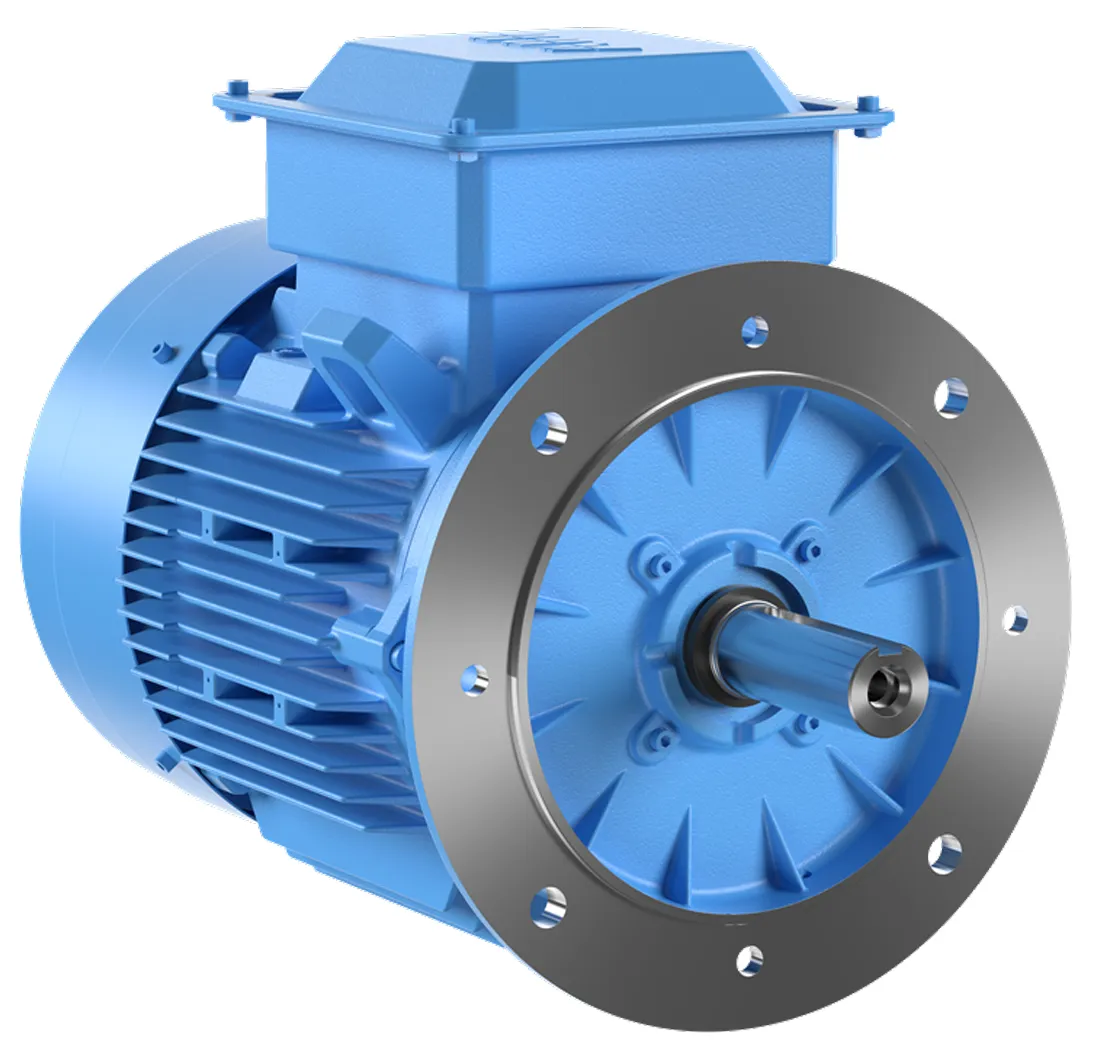
Can you explain the concept of motor efficiency and how it relates to AC motors?
Motor efficiency is a measure of how effectively an electric motor converts electrical power into mechanical power. It represents the ratio of the motor’s useful output power (mechanical power) to the input power (electrical power) it consumes. Higher efficiency indicates that the motor converts a larger percentage of the electrical energy into useful mechanical work, while minimizing energy losses in the form of heat and other inefficiencies.
In the case of AC motors, efficiency is particularly important due to their wide usage in various applications, ranging from residential appliances to industrial machinery. AC motors can be both induction motors, which are the most common type, and synchronous motors, which operate at a constant speed synchronized with the frequency of the power supply.
The efficiency of an AC motor is influenced by several factors:
- Motor Design: The design of the motor, including its core materials, winding configuration, and rotor construction, affects its efficiency. Motors that are designed with low-resistance windings, high-quality magnetic materials, and optimized rotor designs tend to have higher efficiency.
- Motor Size: The physical size of the motor can also impact its efficiency. Larger motors generally have higher efficiency because they can dissipate heat more effectively, reducing losses. However, it’s important to select a motor size that matches the application requirements to avoid operating the motor at low efficiency due to underloading.
- Operating Conditions: The operating conditions, such as load demand, speed, and temperature, can influence motor efficiency. Motors are typically designed for maximum efficiency at or near their rated load. Operating the motor beyond its rated load or at very light loads can reduce efficiency. Additionally, high ambient temperatures can cause increased losses and reduced efficiency.
- Magnetic Losses: AC motors experience losses due to magnetic effects, such as hysteresis and eddy current losses in the core materials. These losses result in heat generation and reduce overall efficiency. Motor designs that minimize magnetic losses through the use of high-quality magnetic materials and optimized core designs can improve efficiency.
- Mechanical Friction and Windage Losses: Friction and windage losses in the motor’s bearings, shaft, and rotating parts also contribute to energy losses and reduced efficiency. Proper lubrication, bearing selection, and reducing unnecessary mechanical resistance can help minimize these losses.
Efficiency is an important consideration when selecting an AC motor, as it directly impacts energy consumption and operating costs. Motors with higher efficiency consume less electrical power, resulting in reduced energy bills and a smaller environmental footprint. Additionally, higher efficiency often translates to less heat generation, which can enhance the motor’s reliability and lifespan.
Regulatory bodies and standards organizations, such as the International Electrotechnical Commission (IEC) and the National Electrical Manufacturers Association (NEMA), provide efficiency classes and standards for AC motors, such as IE efficiency classes and NEMA premium efficiency standards. These standards help consumers compare the efficiency levels of different motors and make informed choices to optimize energy efficiency.
In summary, motor efficiency is a measure of how effectively an AC motor converts electrical power into mechanical power. By selecting motors with higher efficiency, users can reduce energy consumption, operating costs, and environmental impact while ensuring reliable and sustainable motor performance.
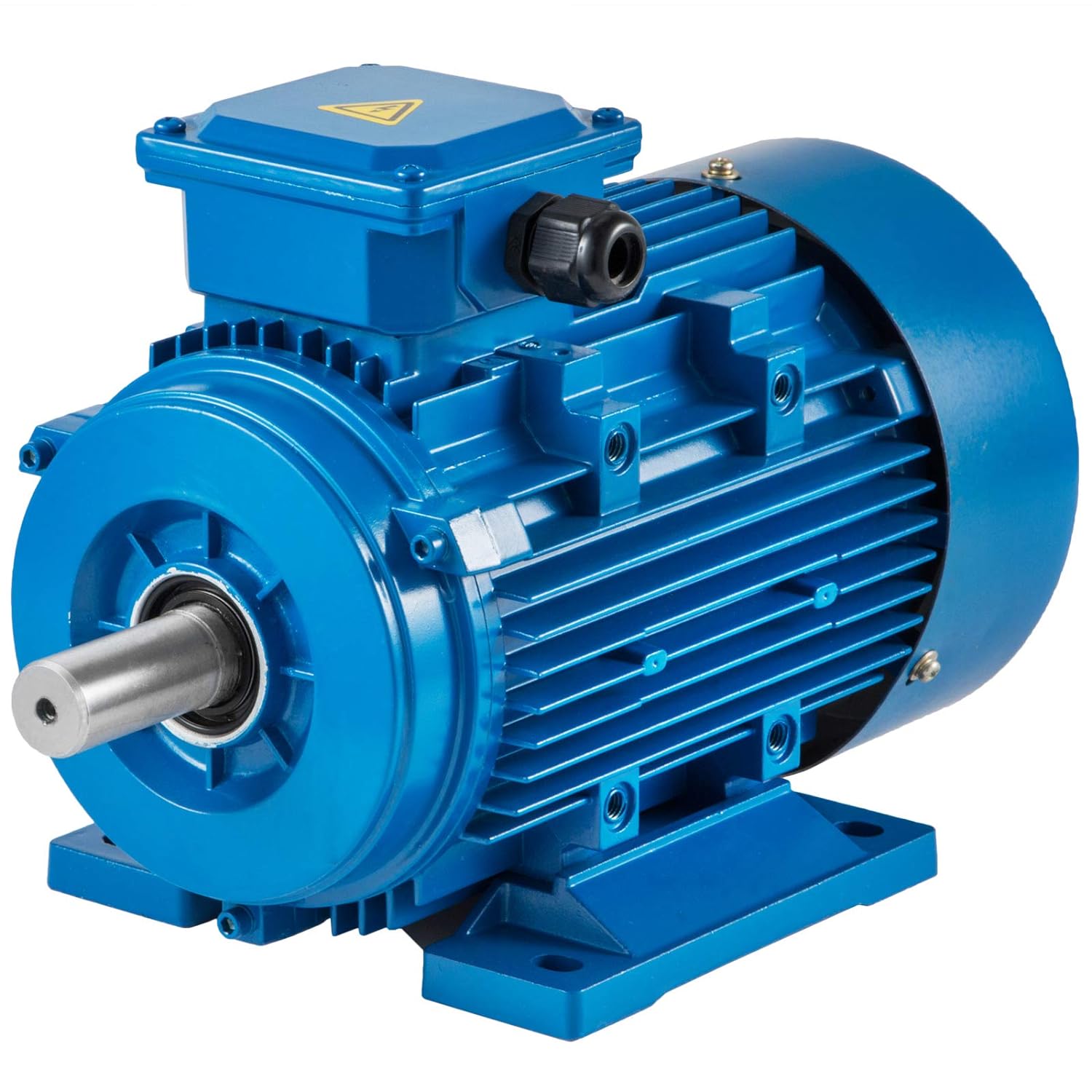
What are the safety considerations when working with or around AC motors?
Working with or around AC motors requires careful attention to safety to prevent accidents, injuries, and electrical hazards. Here are some important safety considerations to keep in mind:
- Electrical Hazards: AC motors operate on high voltage electrical systems, which pose a significant electrical hazard. It is essential to follow proper lockout/tagout procedures when working on motors to ensure that they are de-energized and cannot accidentally start up. Only qualified personnel should perform electrical work on motors, and they should use appropriate personal protective equipment (PPE), such as insulated gloves, safety glasses, and arc flash protection, to protect themselves from electrical shocks and arc flash incidents.
- Mechanical Hazards: AC motors often drive mechanical equipment, such as pumps, fans, or conveyors, which can present mechanical hazards. When working on or near motors, it is crucial to be aware of rotating parts, belts, pulleys, or couplings that can cause entanglement or crushing injuries. Guards and safety barriers should be in place to prevent accidental contact with moving parts, and proper machine guarding principles should be followed. Lockout/tagout procedures should also be applied to the associated mechanical equipment to ensure it is safely de-energized during maintenance or repair.
- Fire and Thermal Hazards: AC motors can generate heat during operation, and in some cases, excessive heat can pose a fire hazard. It is important to ensure that motors are adequately ventilated to dissipate heat and prevent overheating. Motor enclosures and cooling systems should be inspected regularly to ensure proper functioning. Additionally, combustible materials should be kept away from motors to reduce the risk of fire. If a motor shows signs of overheating or emits a burning smell, it should be immediately shut down and inspected by a qualified professional.
- Proper Installation and Grounding: AC motors should be installed and grounded correctly to ensure electrical safety. Motors should be installed according to manufacturer guidelines, including proper alignment, mounting, and connection of electrical cables. Adequate grounding is essential to prevent electrical shocks and ensure the safe dissipation of fault currents. Grounding conductors, such as grounding rods or grounding straps, should be properly installed and regularly inspected to maintain their integrity.
- Safe Handling and Lifting: AC motors can be heavy and require proper handling and lifting techniques to prevent musculoskeletal injuries. When moving or lifting motors, equipment such as cranes, hoists, or forklifts should be used, and personnel should be trained in safe lifting practices. It is important to avoid overexertion and use proper lifting tools, such as slings or lifting straps, to distribute the weight evenly and prevent strain or injury.
- Training and Awareness: Proper training and awareness are critical for working safely with or around AC motors. Workers should receive training on electrical safety, lockout/tagout procedures, personal protective equipment usage, and safe work practices. They should be familiar with the specific hazards associated with AC motors and understand the appropriate safety precautions to take. Regular safety meetings and reminders can help reinforce safe practices and keep safety at the forefront of everyone’s minds.
It is important to note that the safety considerations mentioned above are general guidelines. Specific safety requirements may vary depending on the motor size, voltage, and the specific workplace regulations and standards in place. It is crucial to consult relevant safety codes, regulations, and industry best practices to ensure compliance and maintain a safe working environment when working with or around AC motors.
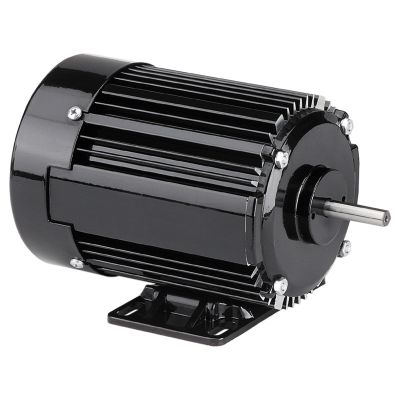
How does the speed control mechanism work in AC motors?
The speed control mechanism in AC motors varies depending on the type of motor. Here, we will discuss the speed control methods used in two common types of AC motors: induction motors and synchronous motors.
Speed Control in Induction Motors:
Induction motors are typically designed to operate at a constant speed determined by the frequency of the AC power supply and the number of motor poles. However, there are several methods for controlling the speed of induction motors:
- Varying the Frequency: By varying the frequency of the AC power supply, the speed of an induction motor can be adjusted. This method is known as variable frequency drive (VFD) control. VFDs convert the incoming AC power supply into a variable frequency and voltage output, allowing precise control of motor speed. This method is commonly used in industrial applications where speed control is crucial, such as conveyors, pumps, and fans.
- Changing the Number of Stator Poles: The speed of an induction motor is inversely proportional to the number of stator poles. By changing the connections of the stator windings or using a motor with a different pole configuration, the speed can be adjusted. However, this method is less commonly used and is typically employed in specialized applications.
- Adding External Resistance: In some cases, external resistance can be added to the rotor circuit of an induction motor to control its speed. This method, known as rotor resistance control, involves inserting resistors in series with the rotor windings. By varying the resistance, the rotor current and torque can be adjusted, resulting in speed control. However, this method is less efficient and is mainly used in specific applications where precise control is not required.
Speed Control in Synchronous Motors:
Synchronous motors offer more precise speed control compared to induction motors due to their inherent synchronous operation. The following methods are commonly used for speed control in synchronous motors:
- Adjusting the AC Power Frequency: Similar to induction motors, changing the frequency of the AC power supply can control the speed of synchronous motors. By adjusting the power frequency, the synchronous speed of the motor can be altered. This method is often used in applications where precise speed control is required, such as industrial machinery and processes.
- Using a Variable Frequency Drive: Variable frequency drives (VFDs) can also be used to control the speed of synchronous motors. By converting the incoming AC power supply into a variable frequency and voltage output, VFDs can adjust the motor speed with high accuracy and efficiency.
- DC Field Control: In some synchronous motors, the rotor field is supplied by a direct current (DC) source, allowing for precise control over the motor’s speed. By adjusting the DC field current, the magnetic field strength and speed of the motor can be controlled. This method is commonly used in applications that require fine-tuned speed control, such as industrial processes and high-performance machinery.
These methods provide different ways to control the speed of AC motors, allowing for flexibility and adaptability in various applications. The choice of speed control mechanism depends on factors such as the motor type, desired speed range, accuracy requirements, efficiency considerations, and cost constraints.


editor by CX 2024-05-16